I still remember the first time I made lavash bread in my own kitchen. I wanted something simple that felt traditional and comforting.
I liked how little effort it took to get great results. The smell alone made me excited to keep cooking. This recipe quickly became a favorite for me.
Ingredient Overview
When you make lavash bread at home, you do not need complicated ingredients. Everything is basic and easy to find. This simplicity is what makes lavash bread so special and reliable for everyday baking.
All purpose flour
This forms the structure of your bread and gives it that soft yet flexible texture.
Warm water or milk
Water creates a classic version while milk adds tenderness and a richer bite to your bread.
Olive oil or melted butter
Fat keeps the bread soft and prevents dryness during cooking.
Salt
Salt brings balance and enhances the natural flavor of lavash bread.
Sugar optional
A small amount improves flavor and helps light browning without making the bread sweet.
Yeast or baking powder
Yeast gives a slightly chewy texture while baking powder creates a faster soft flatbread style.
Step by Step Preparation
Making lavash bread is straightforward and relaxing. Each step builds on the last, giving you full control over texture and thickness.
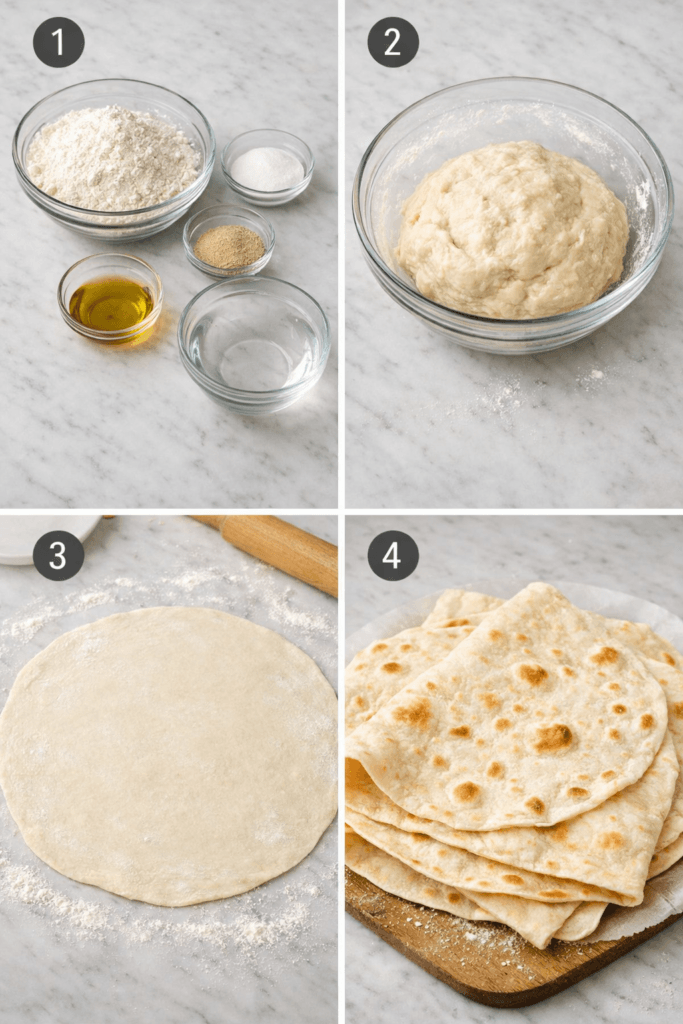
Step 1 Mixing the Dough
You begin by adding flour, salt, and sugar into a large bowl. Slowly pour in warm water or milk while mixing with your hand or spoon. Add olive oil or melted butter as the dough starts to come together. Your goal is a soft dough that does not stick heavily to your fingers.
Step 2 Kneading Until Smooth
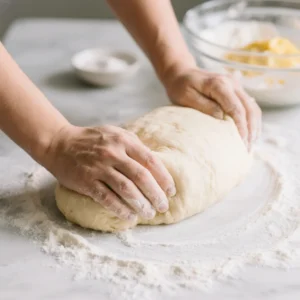
Turn the dough onto a lightly floured surface. Knead gently using the heel of your hand. You are looking for a smooth and elastic feel. This step helps develop structure so your lavash bread rolls thin without tearing. Cover the dough and let it rest so the gluten relaxes.
Step 3 Dividing and Rolling
Divide the dough into equal pieces. Roll each piece into a ball. Flatten one ball and begin rolling it out as thin as possible. Thin dough is key to authentic lavash bread. Keep the remaining dough covered to avoid drying.
Step 4 Cooking the Lavash Bread
Heat a dry pan over medium heat. Place one rolled piece of dough into the pan. Bubbles will form quickly. Flip once light brown spots appear. Cook briefly on the second side. Your bread should stay flexible and soft, not stiff.
Helpful Tips
Small adjustments make a big difference when baking lavash bread at home.
- Roll the dough evenly to avoid thick stiff spots
- Use medium heat to prevent burning
- Cover cooked lavash bread with a clean towel to lock in moisture
- Avoid adding too much flour while rolling
- Cook one piece at a time for consistent results
Common mistakes include rolling too thick, overcooking, or letting the dough dry out. Paying attention to these details keeps your bread tender and flavorful.
Storage Instructions
Lavash bread stores very well if handled correctly. Proper storage keeps it soft and usable for days.
Room Temperature Storage
Place cooled lavash bread in an airtight bag. Store at room temperature for up to two days. Keep it away from heat and sunlight.
Refrigerator Storage
Wrap lavash bread tightly and refrigerate for up to five days. Warm it gently in a pan before serving to restore softness.
Freezer Storage
Stack lavash bread with parchment between each piece. Seal tightly and freeze for up to two months. Thaw at room temperature and reheat lightly.
Ways to Use Lavash Bread Every Day
Lavash bread is incredibly versatile. You can use it in many meals without extra effort.
- Wraps with grilled vegetables or meats
- Flatbread pizzas with simple toppings
- Soft sandwich bread alternative
- Crispy baked chips when toasted
- Side bread for soups and stews
Because lavash bread is thin and flexible, it adapts easily to both savory and light meals.
Why Lavash Bread Works for Home Bakers
Lavash bread is forgiving. You do not need advanced skills or tools. You control thickness, texture, and flavor every time you cook it. This makes lavash bread ideal for beginners and experienced bakers alike.
You also save money and avoid preservatives by making bread yourself. Fresh homemade bread always tastes better and feels more satisfying.
Homemade Breads You’ll Crave
- Amish Cinnamon Swirl Bread : Soft, sweet, and filled with a cozy cinnamon swirl.
- Easy Date Nut Bread : Moist, rich, and packed with flavor.
- Rosemary Parmesan Bread : Crusty, savory, and full of herby-cheesy goodness.
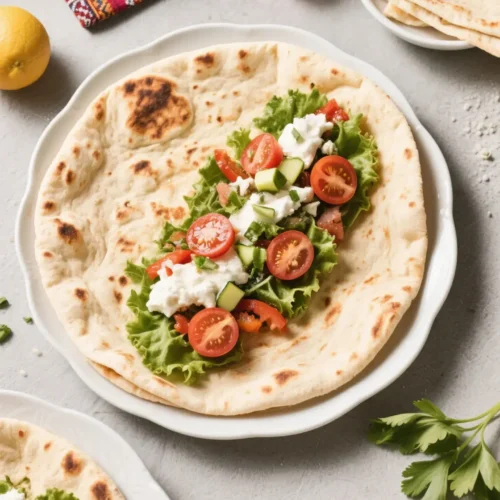
Soft and Simple Lavash Bread Recipe
Equipment
- Serve warm
- Mixing bowl
- Rolling Pin
- Cast-iron skillet or heavy pan
- Clean kitchen towel
- Measuring cups and spoons
Ingredients
- 2 cups all-purpose flour
- 3/4 cup warm water
- 1 teaspoon active dry yeast
- 1 teaspoon salt
- 1 tablespoon olive oil
Instructions
- In a large mixing bowl, combine the flour and salt.
- In a separate small bowl, dissolve the yeast in warm water and let it sit for 5 minutes until it becomes frothy.
- Make a well in the center of the flour mixture and add the yeast mixture and olive oil.
- Mix the ingredients together until a dough forms. Transfer the dough to a floured surface and knead for 5-7 minutes until the dough becomes smooth and elastic.

- Cover the dough with a clean kitchen towel and let it rest for 1 hour or until it doubles in size.
- Once the dough has risen, punch it down and divide it into 6 equal portions. Roll each portion into a ball.
- Using a rolling pin, roll each dough ball into a thin circle or oval, about 1/8 inch thick.
- Heat a cast-iron skillet or heavy pan over medium-high heat. Place one rolled-out piece of dough onto the hot skillet and cook for about 1-2 minutes on each side, or until lightly browned and puffed up.
- Remove the lavash from the skillet and cover it with a clean kitchen towel to keep it soft. Repeat with the remaining dough portions.
- Serve warm or let cool and store in an airtight container.
Notes
Frequently Asked Questions
What makes this bread recipe soft and simple?
This recipe emphasizes dough resting, correct rolling, and high-heat cooking to produce soft, foldable lavash. You only need a few ingredients and a hot pan to get started.
Can I make this bread gluten-free?
Yes, you can try a gluten-free flour blend. Keep in mind that gluten-free doughs behave differently, so expect slight variations in texture and elasticity.
How is lavash bread different from naan or pita?
Lavash is typically thinner and cooked without yeast, giving it a flat, pliable texture. Naan is thicker and leavened, while pita often forms a pocket. Lavash is more versatile when fresh and also stores well dried.
Why is my bread turning out too hard or brittle?
Overcooking or letting the bread sit uncovered after cooking can dry it out. Be sure to stack and wrap it in a clean towel immediately after removing from heat to retain softness.
How can I make flavored lavash bread?
Add herbs or spices like garlic, sesame seeds, or za’atar to the dough. You can also brush it with olive oil and sprinkle with sea salt for extra flavor before serving.