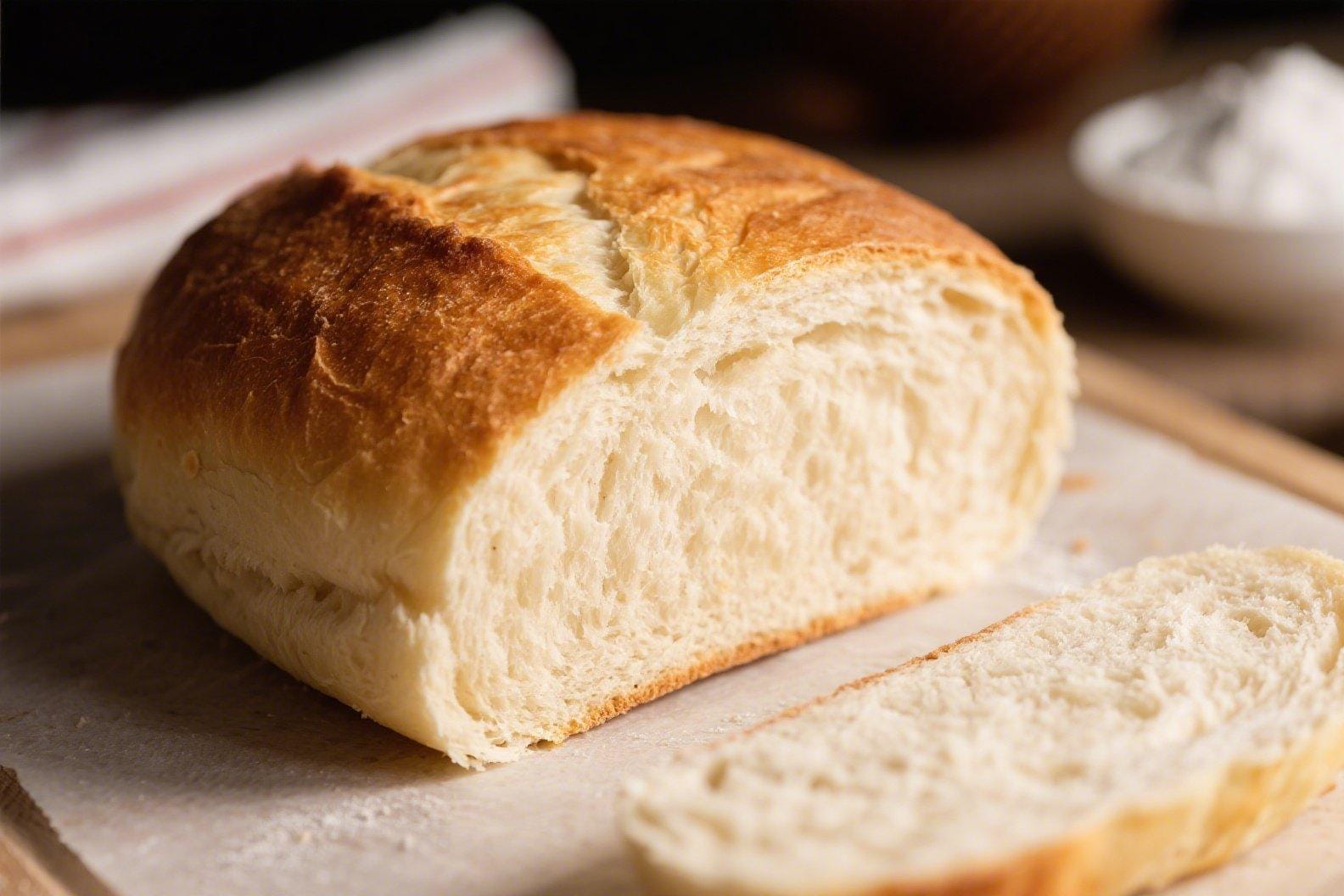
The first time I smelled Cuban bread baking, I wasn’t even looking for a snack. I was walking past a small local bakery, and that warm, yeasty aroma literally stopped me in my tracks. It was soft, comforting, and unlike any bread I had smelled before.
Years later, I knew I had to recreate that feeling in my own kitchen. After several attempts at getting the crust just right, I finally developed this 5-ingredient version.
Now, when I pull these loaves out of the oven, the smell fills my entire home, and for a moment, I’m standing back in front of that bakery. This isn’t just a recipe; it’s a piece of my kitchen heart that I’m so happy to share with you.
While I love the structure of this traditional loaf, if you are looking for something naturally gluten-free and cheesy, you have to try my brazilian cheese bread recipe as well.
Why This is the Only Cuban Bread Recipe You Need
If you’ve ever wondered why Cuban bread hits differently than a standard loaf, it comes down to the texture. Here is what makes this version a winner:
- The “Cloud-Like” Interior: Unlike a chewy sourdough, the crumb here is incredibly light and airy. It practically melts.
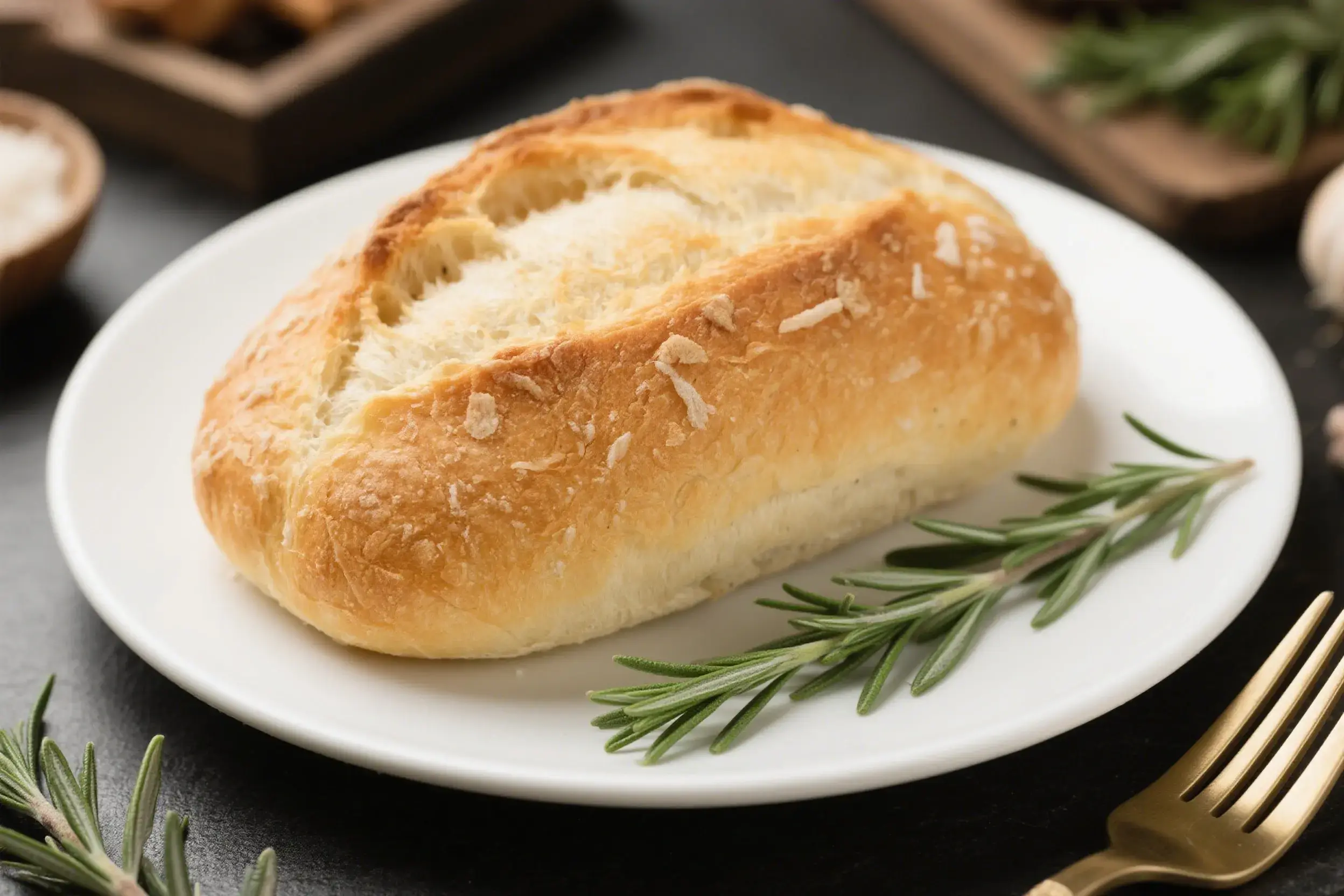
- The Signature Golden Crust: We use a steam method in the oven to get that paper-thin, shatter-crisp crust that defines a “pan Cubano.”
- Pantry Staples: You don’t need a specialty grocery store. If you have flour, yeast, and a little bit of lard (the secret ingredient!), you’re ready to go.
- Speed: While some artisan breads take days, you can have these loaves cooling on your counter in about 90 minutes.
Ingredient Overview
Getting the measurements right is the key to consistency. Here is why each of these five stars matters:. You can find the exact amounts in the card recipe below.
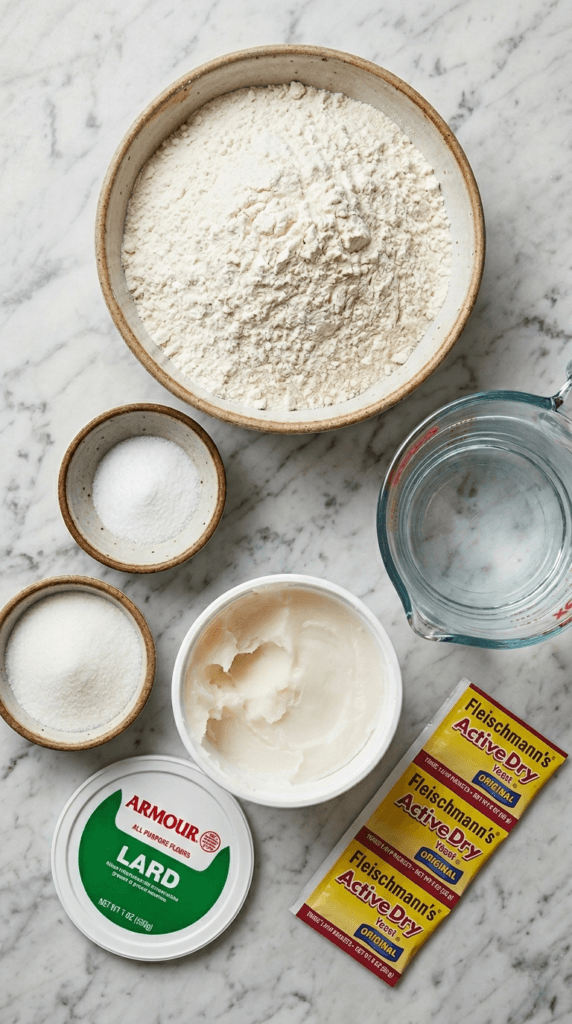
All-purpose flour
I prefer AP flour over bread flour here because it keeps the crumb tender rather than overly chewy.
Warm water
Aim for about 105°F to 110°F. If it’s too hot to touch, it will kill your yeast.
Active dry yeast
This is our engine. We’re going to “bloom” it first to make sure it’s alive and kicking.
Sugar & Salt
Sugar feeds the yeast and helps with browning, while salt tightens the gluten structure and ensures the bread isn’t bland.
lard
This is the non-negotiable for authenticity. It provides that specific richness and soft texture.
Pro Tip: If you absolutely must, you can swap this for vegetable shortening or butter, but lard is the traditional choice for a reason.
Step by Step Preparation
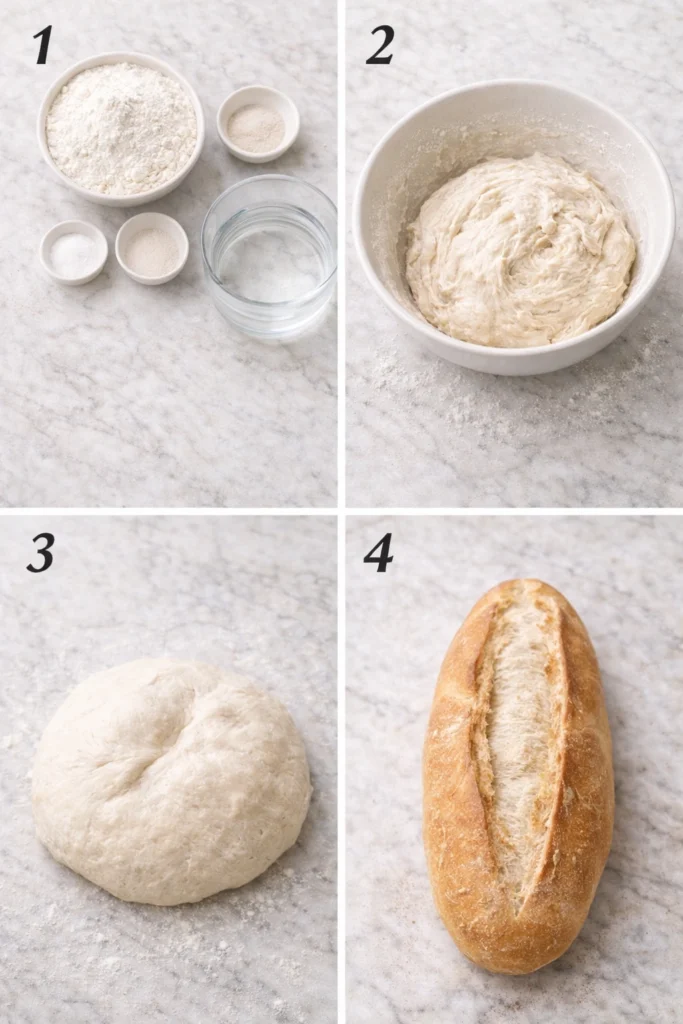
Activate the Yeast
Start by whisking your warm water, sugar, and yeast. Let it sit for about 5 to 10 minutes. You’re looking for a thick, foamy head on top (like a latte). If it doesn’t foam, your yeast might be expired; it’s better to check now than to wonder why your bread didn’t rise later!
Mix the Dough
In a large bowl, combine your flour and salt. Slowly pour in that foamy yeast mixture and your softened lard. Stir until a shaggy, slightly sticky dough forms.
Lara Tip: Don’t be tempted to dump in extra flour yet! The dough should be tacky.
Knead the Dough
Turn the dough onto a clean surface and knead it until it’s smooth and elastic. If you’re doing this by hand, it’s a great arm workout! Place the dough in a greased bowl, cover it with a warm towel, and let it double in size. This is where the flavor develops.
Shape the Loaves
Gently punch down the dough to release the air. Divide it and shape it into long, tapered “torpedo” loaves. Let them rise one more time on your baking sheet. This second rise is what ensures the bread isn’t dense.
Bake the Cuban Bread
Slide the loaves into a hot oven. To get that iconic crust, place a shallow pan of water on the bottom rack to create steam. Bake until they are golden brown and sound hollow when you give the bottom a light tap.
Helpful Tips
- Temperature Matters: Use a thermometer for your water if you’re unsure. Aim for 105°F–110°F.
- The Steam Secret: Don’t skip the water pan in the oven! The steam allows the bread to expand fully before the crust sets.
- Patience is an Ingredient: Let the bread cool for at least 15 minutes before slicing. If you cut it too soon, the steam escapes and the inside can become gummy.
How to Store Cuban Bread
- Room Temperature: Store in a paper bag for 1–2 days. Paper helps keep the crust crisp, while plastic can make it soggy.
- Avoid the Fridge: The refrigerator accelerates the staling process in bread.
- Freeze for Later: This bread freezes beautifully! Wrap it tightly in foil and then in a freezer bag. To serve, just pop it in a 350°F oven for a few minutes to crisp it back up.
Traditional Cuban Bread Recipe Made Easy

Equipment
- Large mixing bowl
- Measuring cups and spoons
- Wooden spoon or spatula
- Kitchen scale (optional)
- Clean surface for kneading
- Baking sheet
- Oven
Ingredients
- 4 cups all-purpose flour
- 1 ½ cups warm water
- 2 ¼ tsp active dry yeast
- 2 tbsp sugar
- 1 ½ tsp salt
- 3 tbsp lard
Instructions
- Combine warm water, active dry yeast, and a pinch of sugar in a mixing bowl. Let sit until foamy.
- Stir in flour, salt, and melted lard to form a sticky dough.
- Knead dough by hand for 8–10 minutes or with a stand mixer for 6 minutes until smooth and elastic.
- Cover and let rise in a warm place until doubled in size.
- Punch down the dough, divide, and shape into torpedo-style loaves.
- Place seam-side down on a baking sheet or stone.
- Flatten slightly and apply palmetto leaf or make a shallow score.
- Let rest for a short final rise while preheating oven to 425°F.
- Place a shallow pan of water on the oven bottom to create steam.
- Bake loaves for 20–25 minutes until golden and hollow-sounding when tapped.
- Cool on wire rack before slicing.
Notes
FAQs
What is the difference between Cuban bread and French bread?
The main difference is the fat content. Cuban bread uses lard, which creates a much softer, more tender “pillowy” center. My French bread recipe is heartier and chewier, whereas this Cuban version is designed for pressing into sandwiches.
Can I make Cuban bread without lard?
Yes! You can use vegetable shortening or even butter. The flavor will change slightly, but you’ll still get a delicious loaf.
Why is a palmetto leaf used?
Traditionally, a palmetto leaf was pressed into the top to create the “split” in the bread. Since most of us don’t have palmetto trees in our backyards, scoring with a sharp knife works just as well!
Is Cuban bread gluten-free?
No, it contains wheat flour, but you can experiment with gluten-free blends
Can I use a bread machine to make this bread?
You can use it to knead and rise, but for the best results, bake it in a conventional oven to get the crusty finish
Pingback: Easy And Moist Lemon Blueberry Bread - 2026
Pingback: Fresh And Flavorful Bruschetta Appetizers - 2026