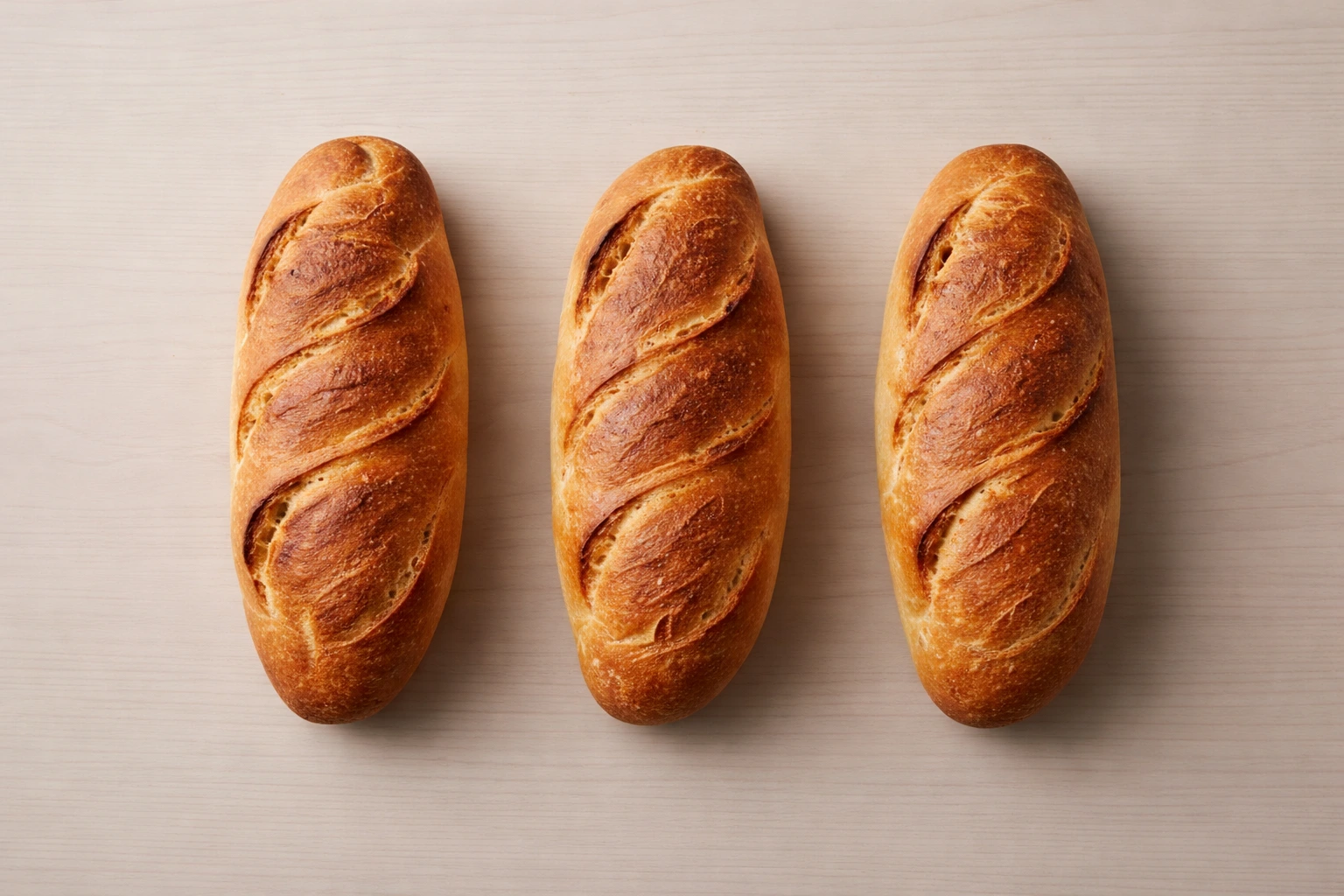
There is a specific kind of magic in a fresh French bread with a shatteringly crisp outer crust giving way to a center so soft it almost melts. While many assume this level of baking requires a professional stone oven, the truth is that you can achieve bakery-quality results in your own kitchen with just a few pantry staples and a bit of patience.
If you enjoy this style of baking but prefer a loaf that is even softer and perfect for pressing into sandwiches, you should definitely check out my Cuban Bread Recipe.
Why You Will Love This Recipe
- Soft and Tasty Inside: Unlike store-bought loaves that can be gummy, this crumb is airy, light, and perfect for soaking up olive oil or soup.
- Crispy Outside: We use a simple steam technique to get that classic golden-brown crackle.
- Smells So Good: Forget expensive candles; nothing beats the warm, yeasty aroma of bread baking on a Sunday afternoon.
- Fun to Share: It’s the ultimate centerpiece for a dinner party or a simple family brunch.
- Great for Many Meals: From thick-cut French toast to the base of a gourmet sandwich, this loaf is a versatile workhorse.
Ingredient Overview
Understanding your ingredients helps you succeed. Each ingredient in this French bread recipe plays an important role in texture, flavor, and structure.
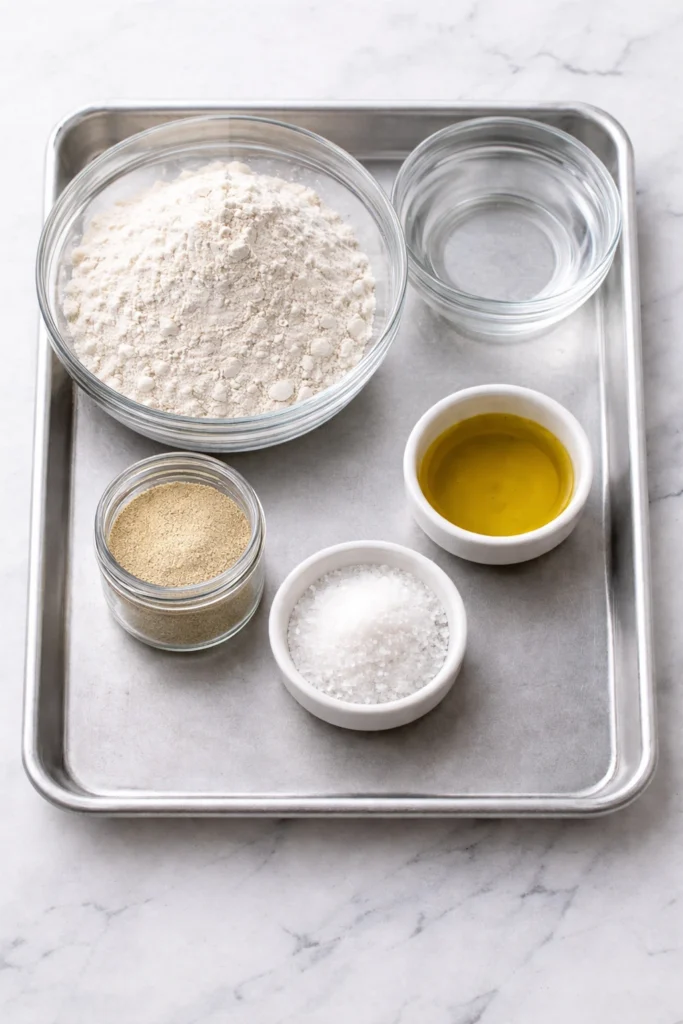
Flour
For that signature “chew,” bread flour is your best friend. Its higher protein content develops the gluten structure needed to hold those beautiful air bubbles. (All-purpose works in a pinch, but the loaf will be slightly more tender.)
Water
Think of this as the “activator.” It needs to be warm—around 40°C—to wake up the yeast without scalding it.
Yeast
This is the life of the party. It provides the lift and that characteristic fermented flavor we all love.
Sugar
A tiny amount goes a long way. It feeds the yeast to jumpstart the rise and aids in the browning of the crust.
Salt
Essential for flavor, but also a “regulator.” Salt keeps the yeast from rising too wildly, ensuring a consistent texture.
Olive Oil Optional
While traditional baguettes are lean, a touch of oil keeps the crumb soft for an extra day or two.
Step by Step Preparation
When you follow the correct method, the recipe becomes easy and reliable.
Activate the Yeast
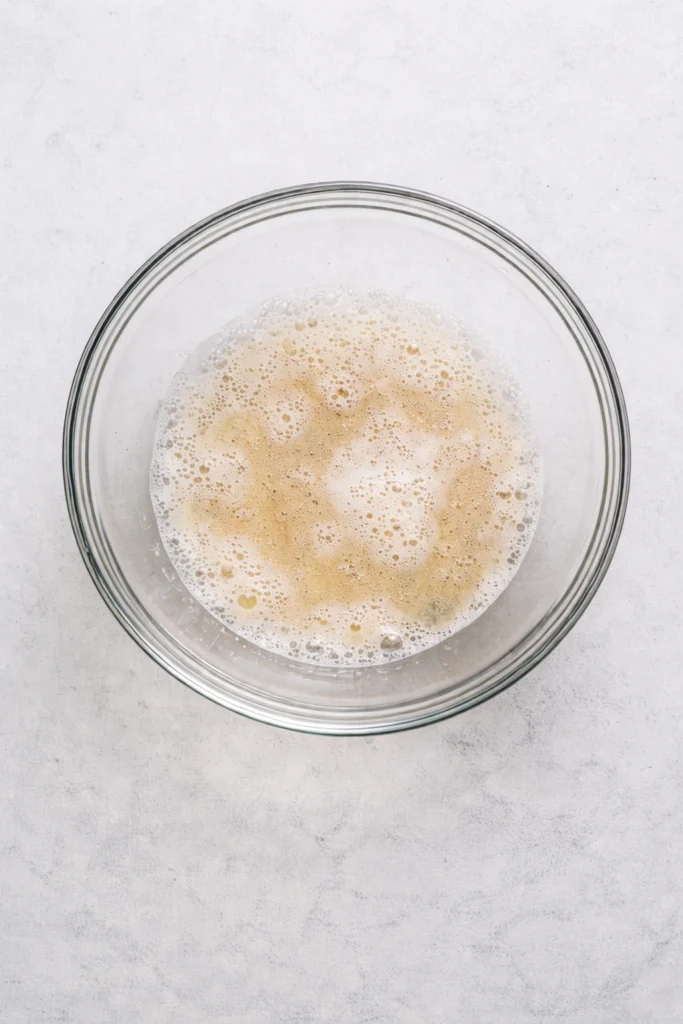
Start by “blooming” your yeast. Combine the warm water, sugar, and yeast in your bowl. After about 10 minutes, you should see a thick, froamy layer on top. If it’s not bubbling, your yeast might be past its prime—better to swap it out now than wait three hours for a loaf that won’t rise!
Mix the Dough
Gradually stir in your flour and salt. You’re looking for a dough that feels slightly tacky (like a Post-it note) but pulls away cleanly from the sides of the bowl.
Knead the Dough
This is where the structure is built. On a clean surface, push and fold the dough for about 8 to 10 minutes. It’s a bit of a workout, but you’ll feel the texture change from shaggy and limp to smooth and elastic.
First Rise
Place the dough in a lightly oiled bowl and cover it with a damp cloth. Find the warmest spot in your house. After about an hour, it should be doubled in size and look beautifully pillowy.
Shaping and the Second Rise
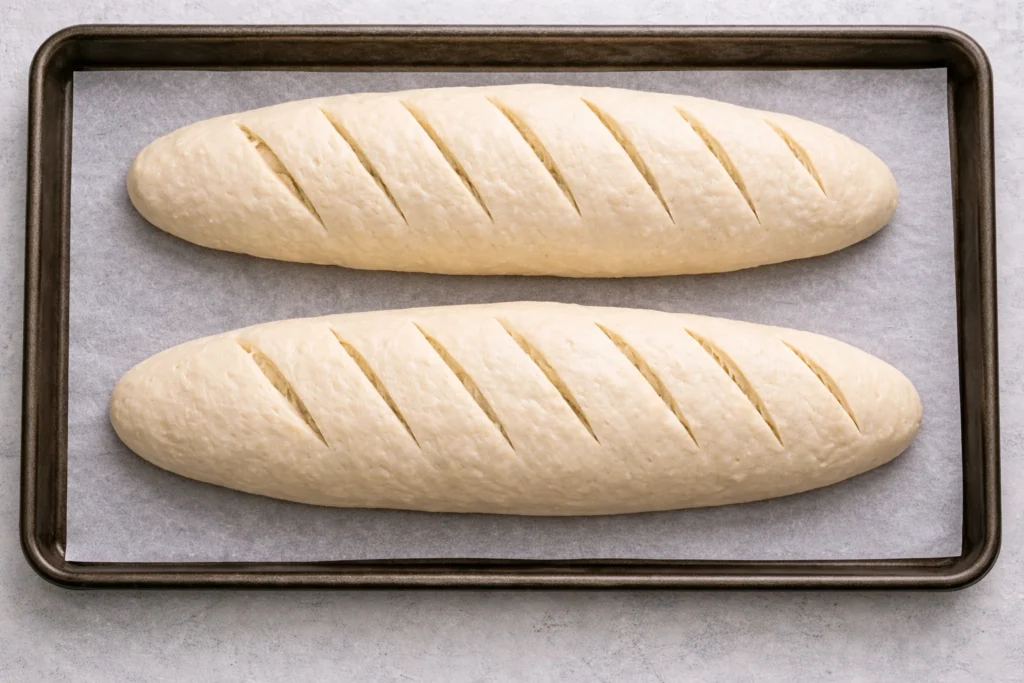
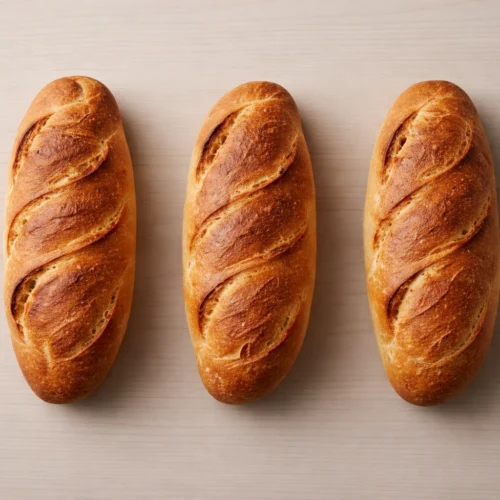
Gently deflate the dough and shape it into long, tapered cylinders. Place them on your baking sheet, score the tops with a sharp knife (this controls where the bread expands), and let them rest for another 30 minutes.
Bake the Bread
Preheat your oven to 200°C. Here is the secret: Place a shallow pan of hot water on the bottom rack. The steam it creates keeps the crust soft during the first few minutes of baking, allowing the bread to fully expand before the crust hardens and browns.
Helpful Tips
- Freshness Check: Always double-check your yeast’s expiration date.
- Temperature Matters: If your kitchen is cold, your rise will take longer. Try placing the bowl inside a turned-off oven with the light on.
- The “Windowpane” Test: To see if you’ve kneaded enough, stretch a small piece of dough; if you can see light through it without it tearing, you’re good to go!
- Don’t Over-Flour: It’s tempting to keep adding flour so it doesn’t stick, but too much flour leads to a dry, heavy loaf.
Common Mistakes
- Using Dead Yeast: If it doesn’t foam in step one, it won’t rise in step four.
- Rushing the Process: Bread happens on its own schedule. If you skip the rising times, your loaf will be flat and tough.
- Slicing Too Early: I know the smell is tempting, but wait at least 20 minutes! Cutting hot bread lets the steam escape too fast, which can make the inside feel gummy.
French Bread Recipe

Equipment
- Mixing bowl
- Measuring cups
- Measuring spoons
- Wooden spoon or dough whisk
- Clean work surface
- Baking tray
- Oven
- Clean kitchen towel
Ingredients
- 3 1/2 cups bread flour
- 1 1/4 cups warm water
- 2 1/4 teaspoons active dry yeast
- 1 tablespoon sugar
- 1 1/2 teaspoons salt
- 1 tablespoon olive oil optional
Instructions
- Add warm water to a mixing bowl. Add sugar and active dry yeast. Let it sit for 5 to 10 minutes until foam forms on top. This shows the yeast is active.
- Add bread flour and salt to the yeast mixture. Mix until a soft dough forms. The dough should be slightly sticky but manageable.
- Transfer the dough to a clean surface. Knead for 8 to 10 minutes until the dough becomes smooth and elastic.
- Place the dough in a lightly greased bowl. Cover with a clean kitchen towel. Let the dough rise in a warm place for 60 to 90 minutes until doubled in size.
- Remove the dough from the bowl. Shape it into a long loaf. Place the shaped dough on a baking tray.
- Cover the shaped dough and let it rise for 30 to 45 minutes until slightly puffed.
- Preheat oven to 190 to 200 degrees Celsius. Bake the bread for 20 to 30 minutes until golden brown and hollow sounding when tapped.
- Remove the bread from the oven. Allow it to cool completely before slicing and serving.
Notes
FAQ
Why is my bread dense?
You likely rushed the rising time or added too much flour during the kneading process. The dough should stay light and airy.
Why no golden crust?
Your oven might be running cool. Use an oven thermometer to ensure you’re hitting that 200°C mark, or try a quick egg wash before baking for extra shine.
Can I freeze this?
Absolutely. This bread freezes beautifully. Just wrap it tightly in foil and a freezer bag; when you’re ready to eat, pop it in a hot oven for 5 minutes to restore the crunch.
Pingback: Einkorn Bread Recipe Worth Baking - 2026