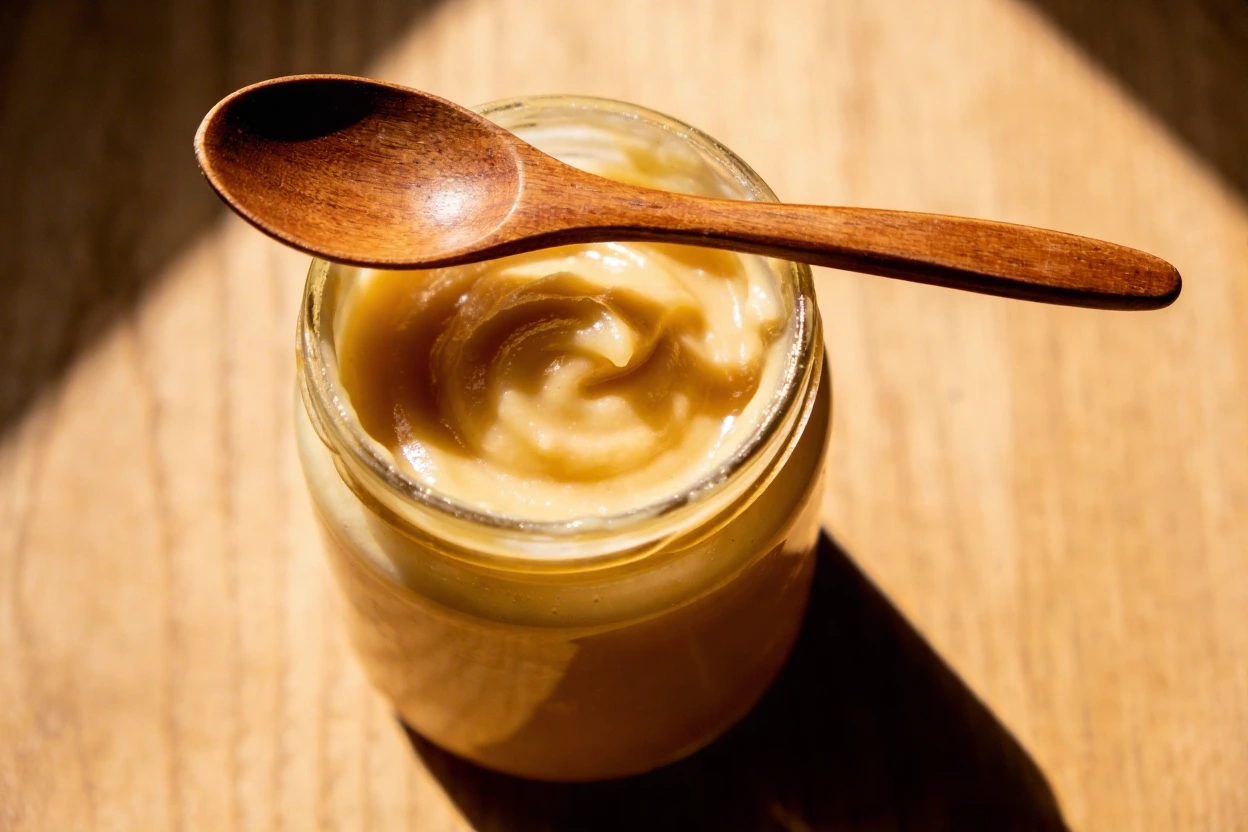
If you’ve ever struggled with honey dripping down your favorite shirt or off the side of a piece of toast, you’re going to love creamed honey. This velvety, spreadable version of everyone’s favorite natural sweetener is a staple in my kitchen.
It has a thick, buttery consistency that stays exactly where you put it; no mess, no sticky fingers. Beyond the convenience, it retains all the wonderful health benefits of raw honey, like soothing a sore throat or providing a quick, natural energy boost.
Whether you’re swirling it into yogurt, pairing it with fresh fruit, or spreading it over a warm slice of homemade bread, this guide will help you master the art of controlled crystallization.
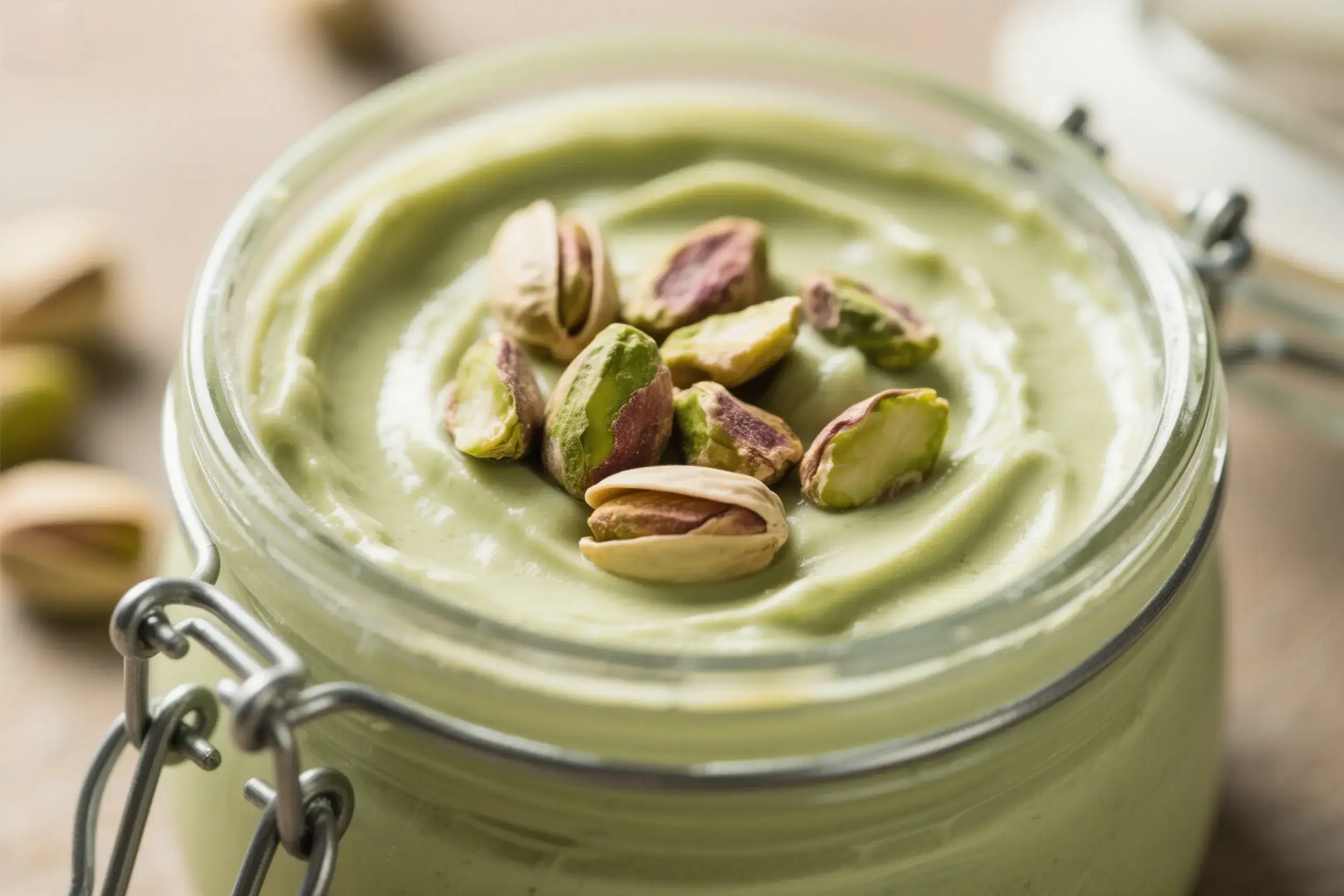
If you are looking for more ways to add a delicious, spreadable element to your breakfast table, be sure to check out my Pastry Cream Recipe or my easy Pistachio Cream at Home.
Why You’ll Love This Method
Unlike regular liquid honey, creamed honey stays exactly where you put it. It’s a game-changer for busy mornings because it’s
- Mess-Free: No drips or sticky jars.
- Velvety Texture: It melts beautifully on warm bread.
- 100% Natural: When you make it at home, you know exactly what’s in it; no additives or fillers.
Ingredient Overview
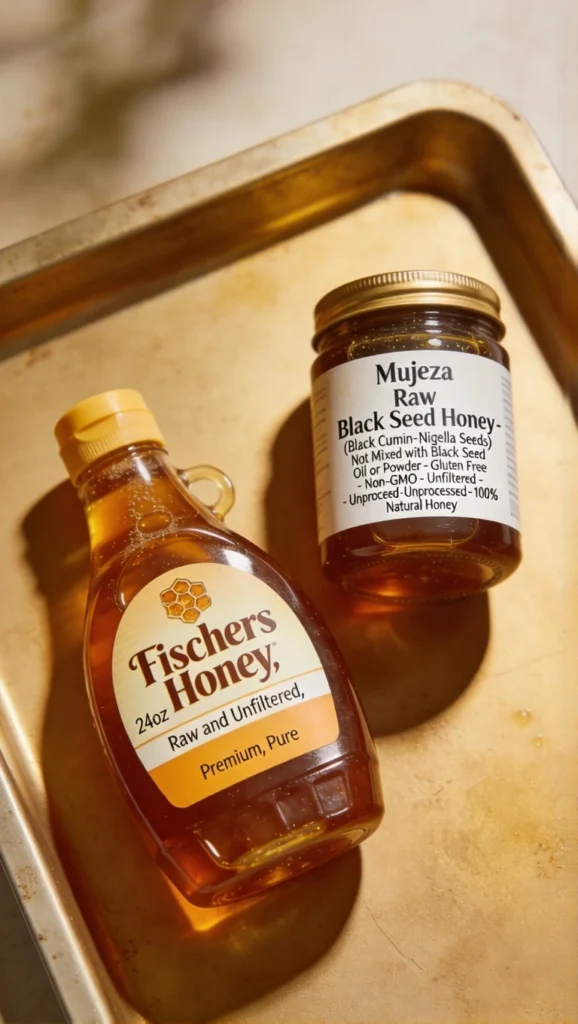
Raw Honey: This is your foundation. I recommend using high-quality raw honey. Because it hasn’t been pasteurized at high heat, it retains all those beneficial enzymes and the natural ability to crystallize.
Seed Honey (The Secret Ingredient): To get the process started, you need a small amount of honey that is already creamed. This “seed” acts as a map, teaching the liquid honey how to crystallize into that fine, smooth texture.
Step by Step Preparation
Follow these steps to achieve that perfect, silk-like finish.
Prepare Your Base
If your raw honey is currently very thick or already has large, gritty crystals, you’ll want to gently warm it first. Use a low-heat water bath until it’s just liquid.
Lara Tip: Avoid high heat! If the honey gets too hot, it can lose its flavor and health benefits. Let it cool back down to room temperature before moving to the next step.
Mix Slowly and Carefully
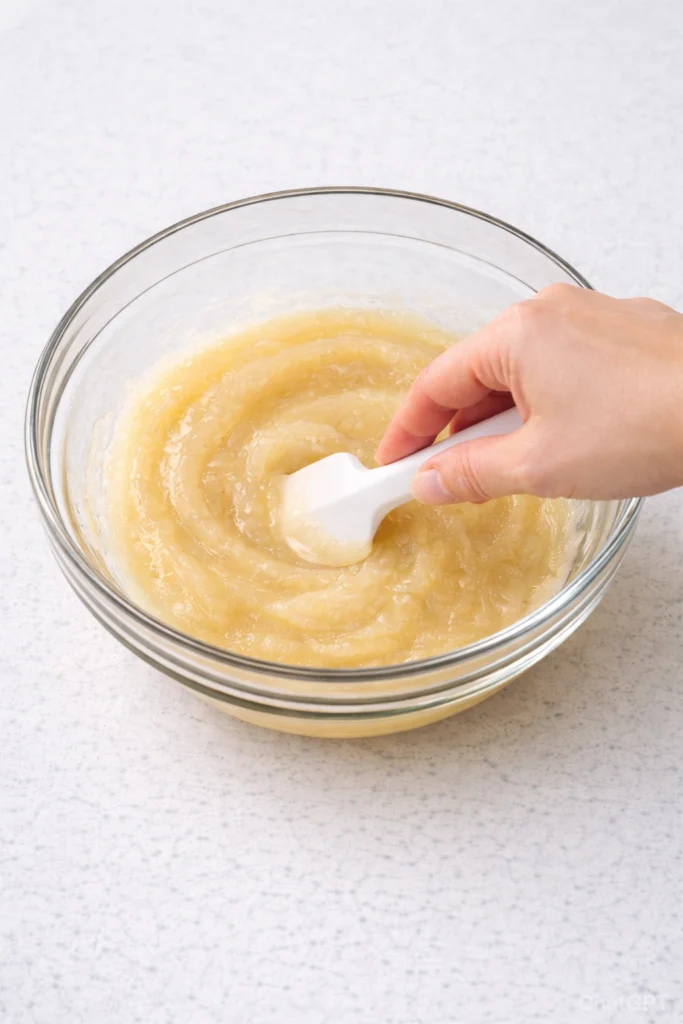
Add your seed honey to your liquid honey. A good rule of thumb is about one part seed to ten parts liquid honey. Using a sturdy spoon or spatula, stir the mixture slowly.
You want to fully incorporate the seed honey without folding in too much air. While some call this “whipped honey,” we aren’t actually looking for air bubbles; we are looking for a thorough, consistent blend.
Transfer to Storage Container
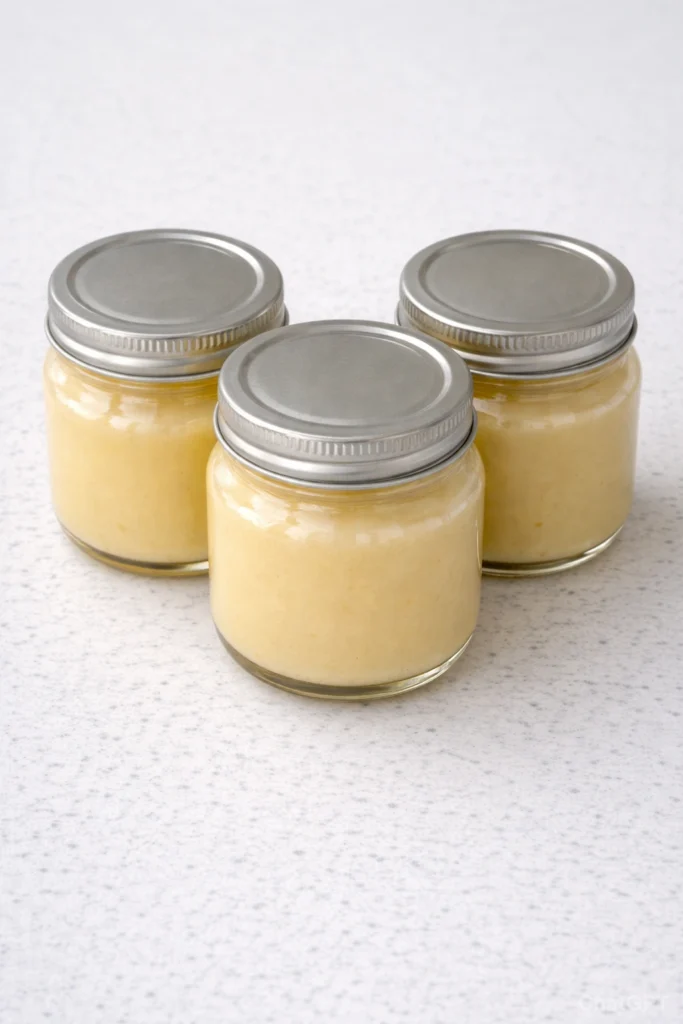
Pour your mixture into clean glass jars and seal them tightly. Now comes the part that requires a little patience. Place your jars in a cool, dark spot (around 55°F–60°F is ideal, like a cool pantry).
Wait for Crystallization
Over the next 5 to 14 days, you’ll see the honey change. It will become lighter in color and much thicker. Once it’s firm enough that it doesn’t run off a spoon, it’s ready!
Helpful Tips
- Start with Quality: The better the honey, the better the final spread. I love using clover or wildflower honey for a mild, classic flavor.
- Stable Temperatures: Fluctuating heat can ruin the texture. Keep it away from the oven or direct sunlight.
- Cleanliness is Key: Ensure your jars and spatulas are bone-dry. Even a drop of water can introduce moisture that leads to spoilage.
Common Mistakes
- Using Processed Honey: If the honey has been ultra-filtered, it may never set properly. Always stick to raw.
- Being Too Helpful: It’s tempting to check on it and stir, but stirring actually disrupts the “seed” crystals from doing their job.
- Too Much Heat: If your “liquid” honey is too hot when you add the seed, you’ll melt the starter, and it won’t cream.
Flavor Variations to Try
Once you’ve mastered the base recipe, try these stir-ins:
- Cinnamon: A teaspoon of high-quality cinnamon makes this incredible on morning oats.
- Vanilla Bean: Scrape a vanilla bean into the mix for a floral, dessert-like spread.
- Lemon Zest: A bit of dried lemon zest adds a bright, zesty contrast to the sweetness.
Storage and Shelf Life
Honey is famously shelf-stable. To keep your creamed honey in peak condition, store it in a sealed glass jar in a cool, dry pantry. It can last for months. though, in my house, a jar rarely lasts more than a week
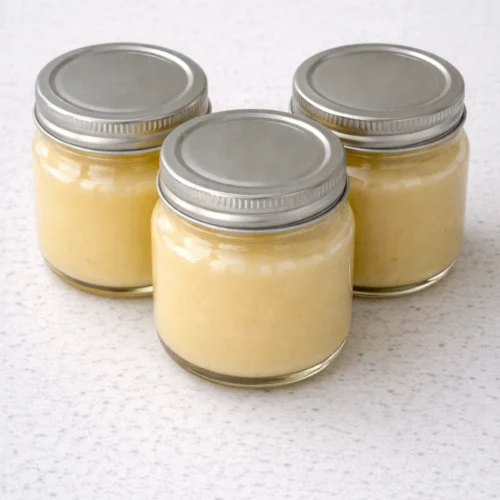
Creamed Honey Recipe

Equipment
- Mixing bowl
- Spoon
- Spatula
- Glass jar with lid
- Clean storage container
- Thermometer optional
Ingredients
- 2 cups raw honey
- 2 tablespoons seed honey optional
Instructions
- Ensure your raw honey is in a liquid state. If it’s too firm, use a low-heat water bath to soften it.
- Add the seed honey to the liquid base.
- Stir slowly with a spatula until fully incorporated, taking care not to whip in air.
- Pour into clean glass jars and seal.
- Place in a cool, dark area and leave undisturbed for at least 5 days until set.
Notes
FAQ
What is creamed honey?
It is honey that has undergone a controlled crystallization process to ensure the crystals stay microscopic, resulting in a smooth, spreadable texture.
Why is mine grainy?
This usually happens if the temperature was too high or if the honey crystallized too quickly without a proper “seed.”
Can I make this without a seed?
You can, but it is much more unpredictable. Using a seed ensures that buttery texture we all crave!
Why is my honey still liquid?
The most common culprit is temperature. If your kitchen is too warm, the crystals won’t set. Try moving the jar to a cooler spot or even the refrigerator for a few days to jumpstart the process.
Does the creamed honey change flavor
No. Creamed honey changes texture only. Flavor remains the same.
How should I store it?
Keep your creamed honey in a cool, dry place. If it gets too warm, it may return to a liquid state. If it gets too cold, it might become very firm; just let it sit at room temperature for a few minutes before serving.