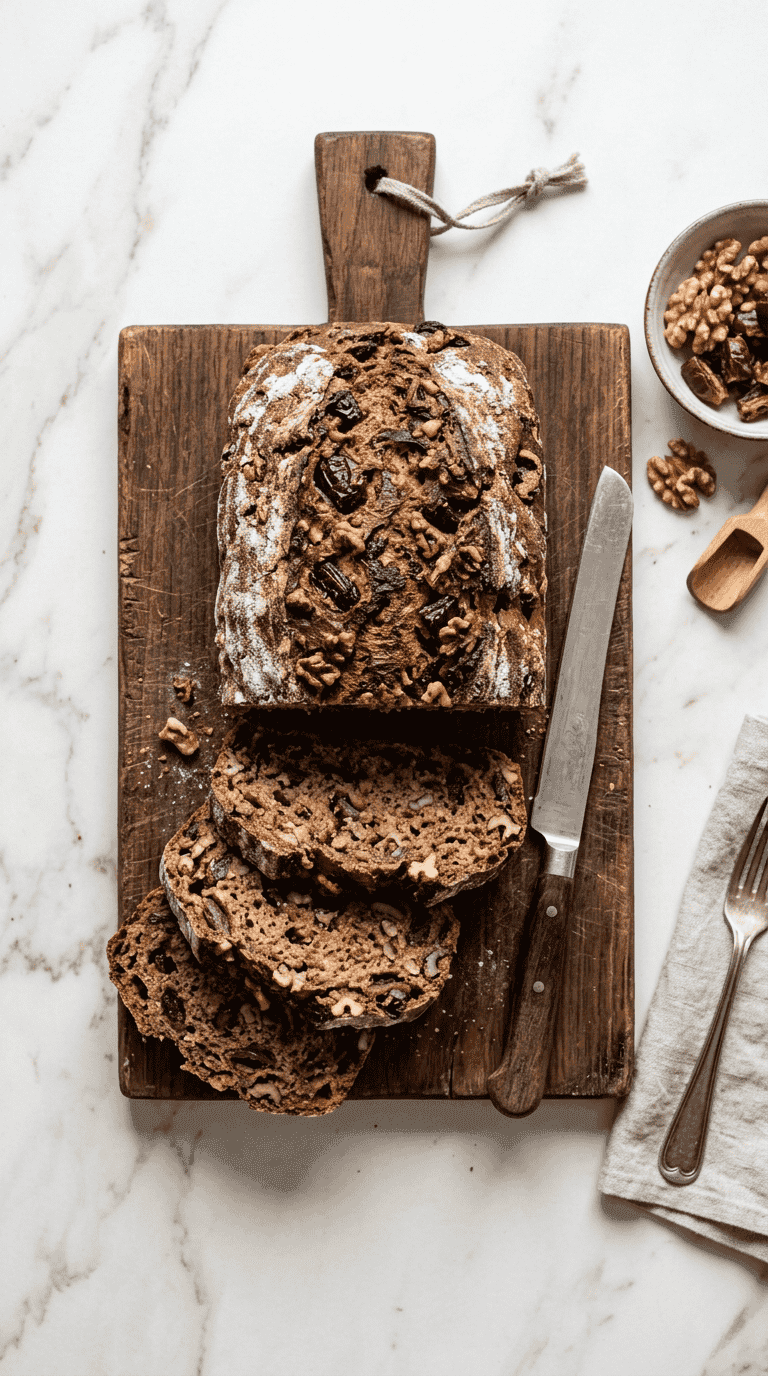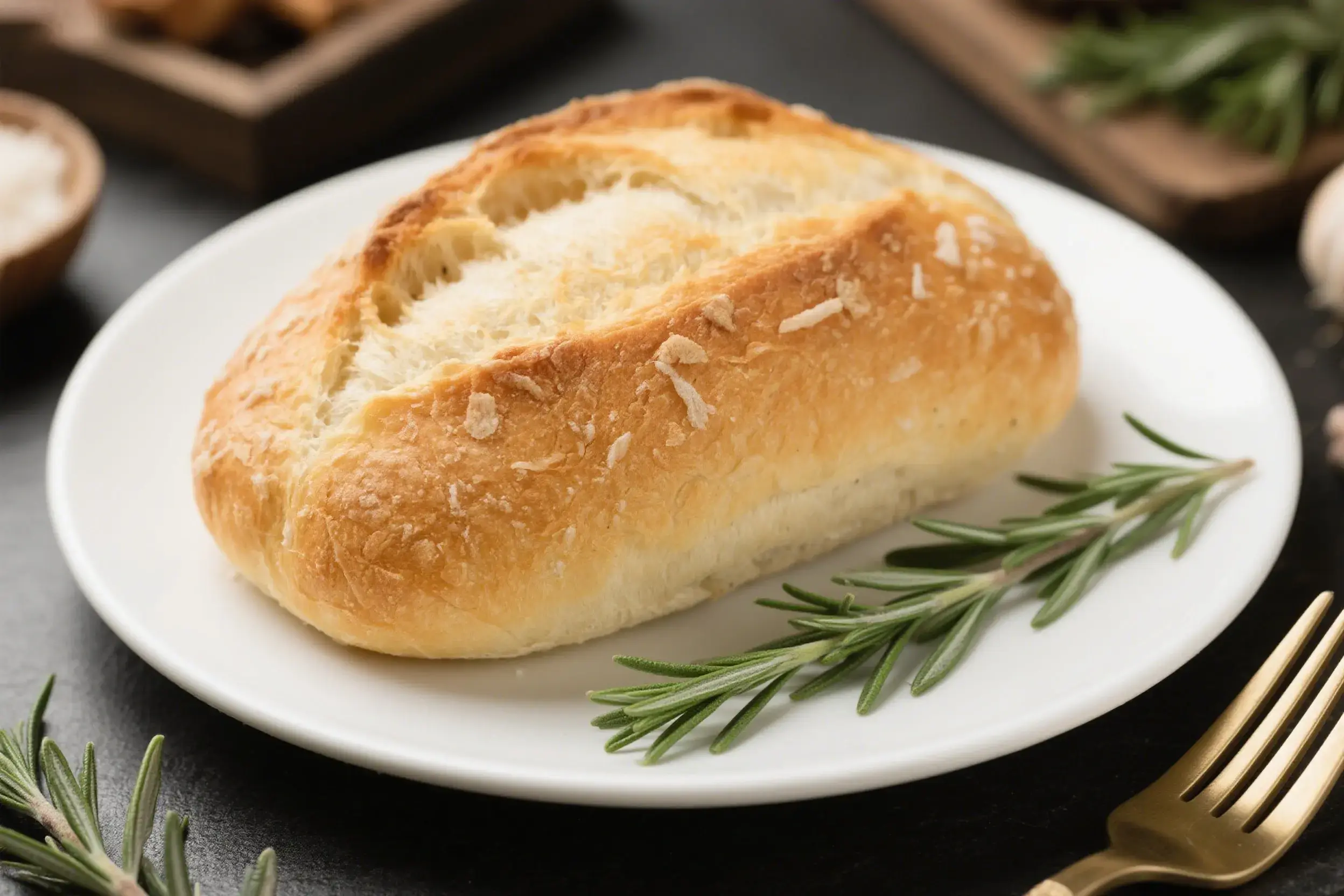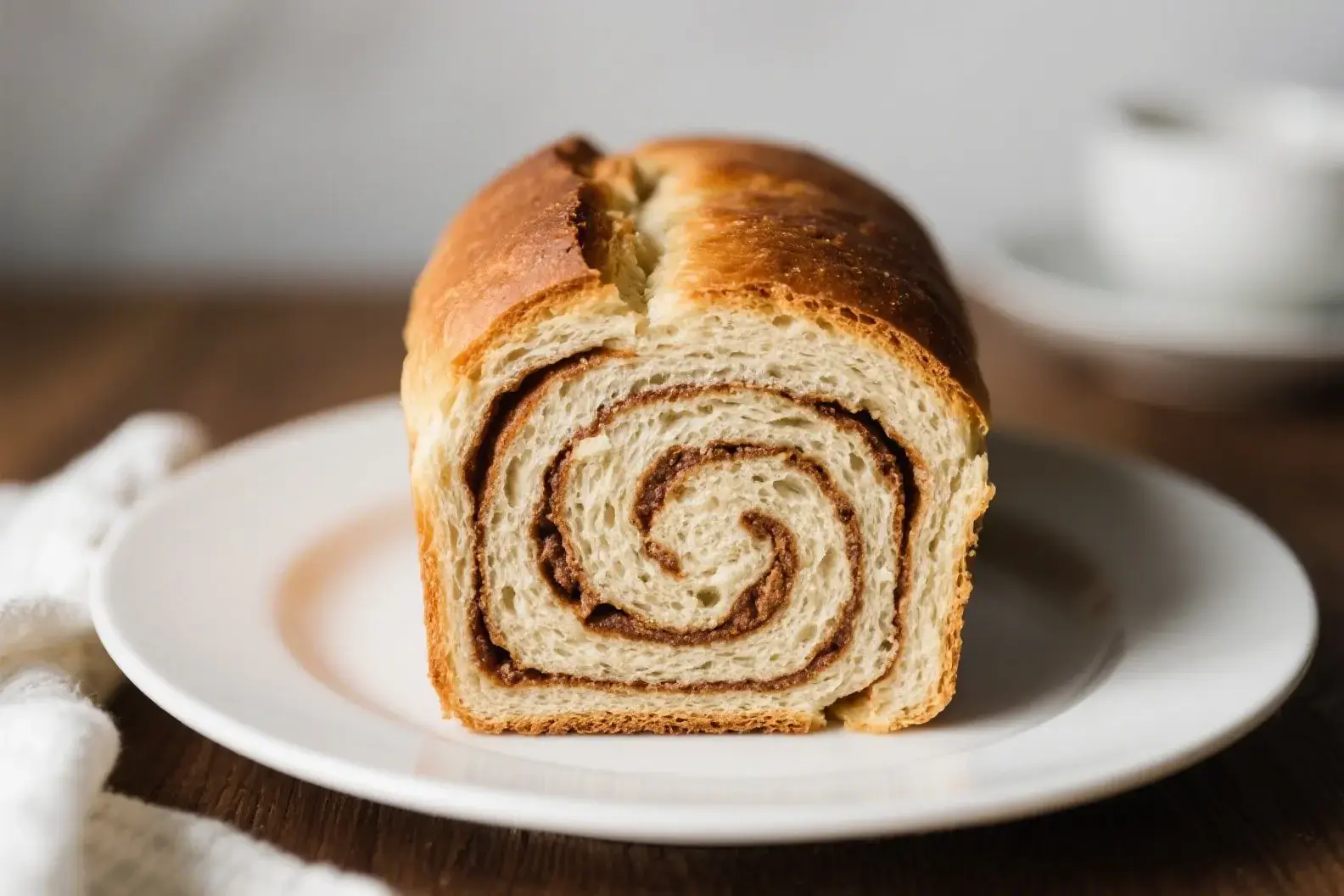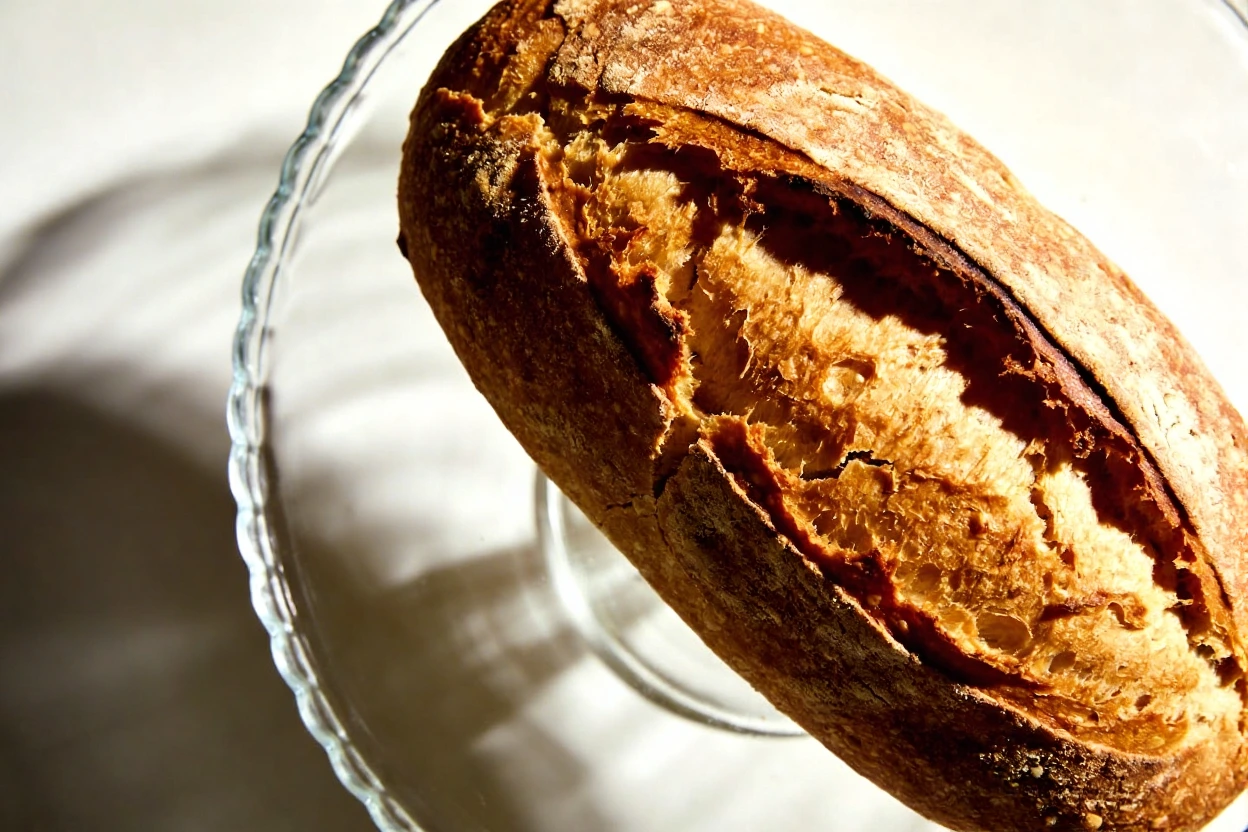
If you’ve been maintaining a sourdough starter, you know the guilt of “the discard.” Instead of letting that liquid gold go to waste, I’ve developed this sourdough discard bread to turn your leftovers into a kitchen win.
This recipe is the perfect solution for reducing food waste while saving money on grocery store loaves. Plus, there is nothing quite like the smell of fresh, tangy bread wafting through your home.
If you enjoy making homemade loaves, you might also want to try my crusty french bread recipe or my soft, authentic cuban bread recipe for your next sandwich night.
Why You Will Love This Bread Recipe
- Sustainability in the Kitchen: We’re turning “waste” into a centerpiece for your dinner table.
- Incredible Texture: The acidity in the discard breaks down the gluten just enough to create a pillowy, soft crumb.
- Budget-Friendly: Using simple pantry staples, you can skip the $6 artisanal loaves.
- Total Control: No preservatives or “dough conditioners,” just real food for your family.
Ingredient Overview
Understanding the “why” behind each ingredient will help you master the perfect crumb every time.
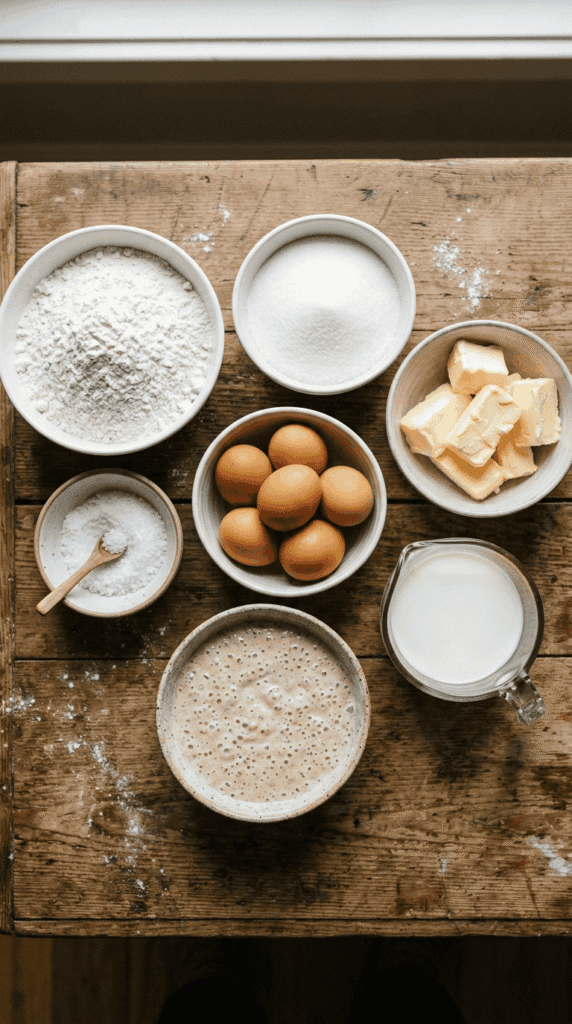
Sourdough Discard
This adds the fermented depth of flavor. You can use it straight from the fridge!
Flour
I prefer bread flour for a chewier, professional texture, but all-purpose flour works beautifully for a softer, sandwich-style slice.
Milk and Butter
This is a “rich” dough. The fats in the milk and butter coat the flour proteins, resulting in a much more tender bite than a water-based crusty bread.
Eggs
These act as a binder and enrich the dough, creating a beautiful, high-quality crumb.
Sugar
Sugar helps your bread in many ways. It adds light sweetness, helps browning, and improves flavor balance. Sugar also supports better texture in sourdough bread.
Salt
Essential. Without it, your bread will taste flat. I use fine sea salt for even distribution.
Step-by-Step Preparation
Follow these steps closely, and you’ll achieve a professional-looking loaf even on your first try
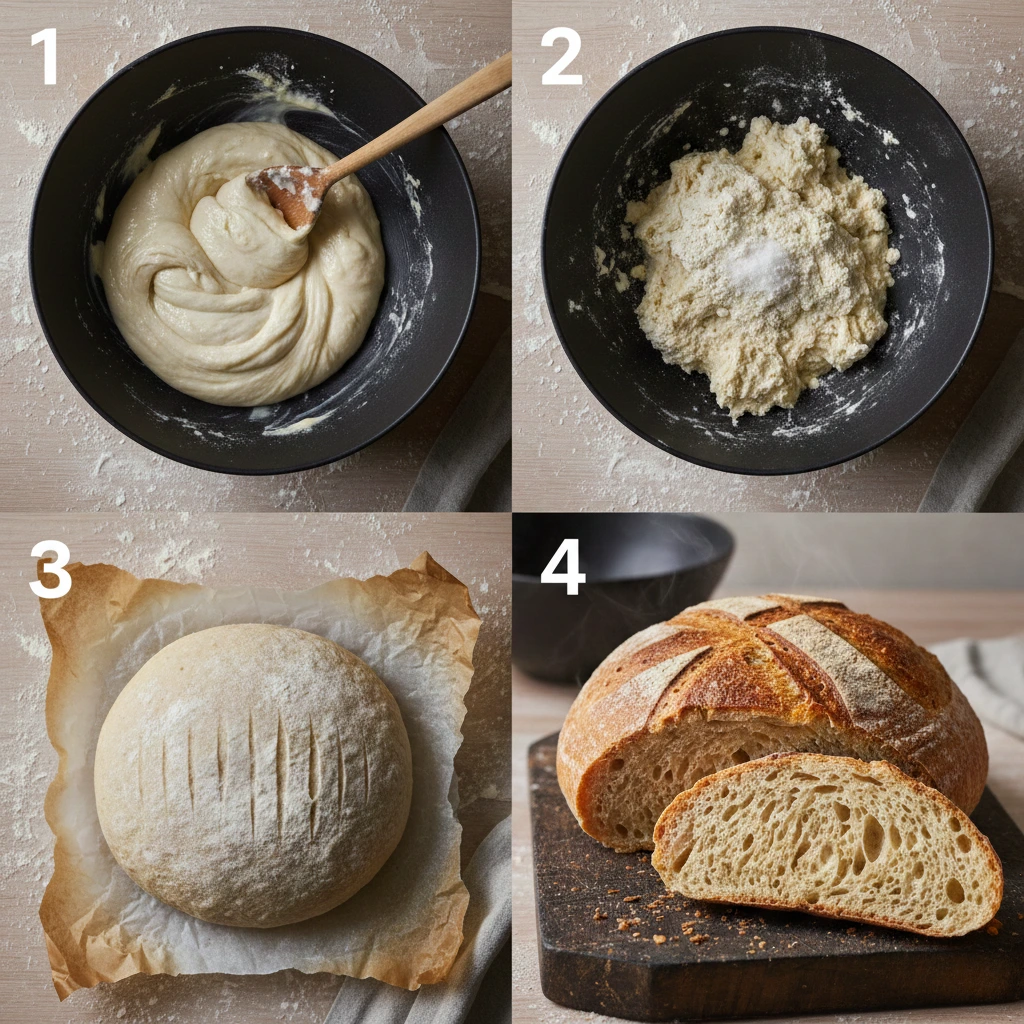
Mix the Ingredients
In a large bowl, combine your discard, flour, warm milk, eggs, sugar, butter, and salt. Start slowly to avoid a “flour cloud,” and mix until a soft, shaggy dough forms.
Knead the Dough
This is where the magic happens. On a clean surface, push and fold the dough for 8 to 10 minutes. This develops the gluten, which is the “scaffolding” that makes your bread strong yet soft. If you skip this, your bread may turn out dense.
First Rise
Place your dough in a bowl, cover with a cloth, and let it rest in a warm spot. Patience is key here; it usually takes 1 to 2 hours to double in size, developing flavor as it sits.
Shape and Second Rise
Slowly let the dough out of the bag and shape it into a tight log. Putting it in the right place in the baking pan makes it rise “up” instead of “out.” Then, letting it rest is important for volume. It lets the air bubbles grow, which makes the final loaf light and fluffy.
Bake the Bread
Preheat your oven to 375°F (190°C). Bake for 30–35 minutes. The top should be deep golden, and the loaf should sound hollow when tapped on the bottom.
Helpful Tips
- Freshness Matters: While it’s called “discard,” using discard that isn’t too old (more than 2 weeks) ensures a better flavor.
- Watch the Flour: Only add enough flour to keep the dough from sticking to your hands. Too much flour leads to a heavy, dry loaf.
- Temperature Control: Ensure your milk is warm, not hot. If it’s too hot, it will kill the yeast; if it’s too cold, the rise will take all day.
Common Mistakes to Avoid
- Rushing the Rise: If your kitchen is cold, the dough will take longer. Don’t move to the next step until the dough has truly doubled.
- Using “Off” Discard: If your discard has pink or orange streaks, toss it. A gray liquid on top (hooch) is fine; just stir it in!
- Inaccurate Oven Temp: I always recommend an oven thermometer to ensure you aren’t under-baking the center.
Easy and Delicious Sourdough Discard Pancakes

Equipment
- Mixing bowl
- Whisk
- Nonstick skillet or griddle
- Measuring cups
- Spatula
Ingredients
- 1 cup sourdough discard unfed, straight from fridge
- 1 cup all-purpose flour
- 1 tablespoon sugar
- 1 teaspoon baking soda
- 1/2 teaspoon salt
- 1 cup milk
- 1 egg
- 2 tablespoons melted butter or oil
- 1 teaspoon vanilla extract optional
Instructions
- In a large mixing bowl, combine the sourdough discard, flour, sugar, baking soda, and salt.
- In a separate bowl, whisk together the milk, egg, melted butter, and vanilla extract if using.
- Pour the wet ingredients into the dry mixture and stir just until combined. Do not overmix.
- Let the batter rest for 5 to 10 minutes while you preheat a skillet or griddle over medium heat.
- Lightly grease the surface with butter or oil. Pour 1/4 cup of batter per pancake onto the skillet.
- Cook until bubbles form on the surface and edges begin to dry, about 2–3 minutes.
- Flip and cook the other side until golden brown, about 1–2 minutes.
- Serve warm with maple syrup, butter, or fresh fruit.
Notes
Frequently Asked Questions
Is sourdough discard healthy?
Yes! The fermentation process breaks down some of the gluten and phytic acid, which can make it easier on the digestive system compared to standard white bread.
Can I freeze this loaf?
Absolutely. I usually slice it before freezing so I can grab a single piece for toast whenever I need it. It stays fresh in the freezer for up to 3 months.
Can I use a “very old” discard?
If your discard has a dark liquid (hooch) on top, just stir it in or pour it off. It will make the bread tangier. As long as there is no mold, it’s good to go!
How do I store this?
Since this bread has no preservatives, it’s best eaten within 3 days. Store it in a beeswax wrap or an airtight bag. It also freezes beautifully for up to 3 months!