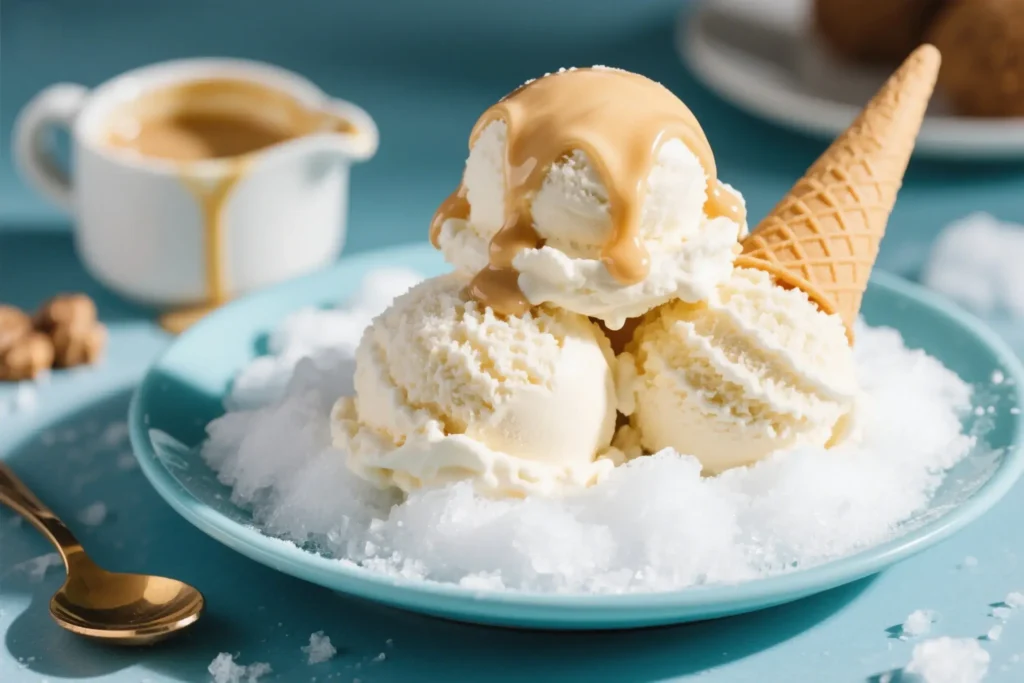
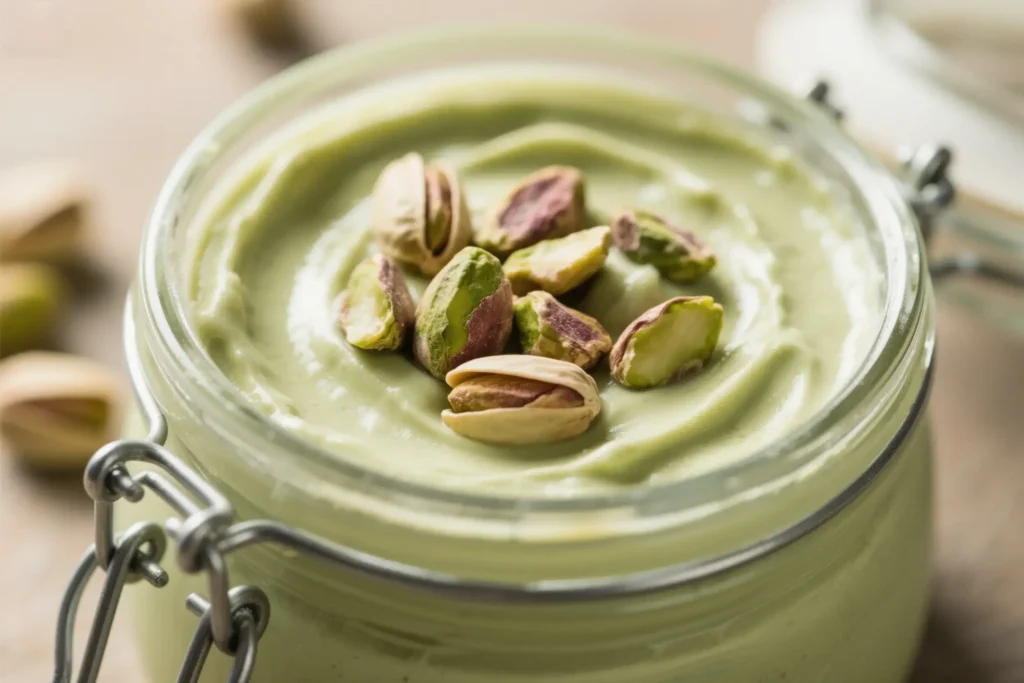
When you make your own whipped cream recipe at home, you control everything. You decide how sweet it is, how thick it feels, and how fresh it tastes. Store bought versions often contain stabilizers that change the texture and dull the flavor.
When you prepare a whipped cream recipe yourself, you get a light, airy topping that melts gently on desserts instead of sitting heavy on top.
Homemade Whipped Cream Recipe
You also save time. A homemade whipped cream recipe takes just minutes, and once you know the process, it becomes second nature. Whether you want to top cakes, pies, hot chocolate, or fresh fruit, this whipped cream recipe fits into your routine without stress.
Another reason this cream recipe matters is versatility. You can keep it classic, make it richer, or add flavors depending on what you are serving. Once you master the base, you can adjust it easily without starting over.
Ingredient Overview
Milk or Cream
Milk or cream forms the base of your cream recipe. For best results, you use cream with higher fat content because it whips better and holds its shape longer. Milk can be used in lighter versions but will create a softer texture. Cold liquid is essential because temperature directly affects volume and stability.
Sugar
Sugar sweetens your cream recipe and balances the richness. You can use fine sugar so it dissolves quickly and does not leave a grainy feel. Adding sugar gradually allows you to control sweetness and texture without overworking the cream.
Butter
Butter is optional in a whipped cream recipe but useful when you want a richer mouthfeel or a more stable topping. A very small amount blends into the cream and adds depth without making it heavy.
Eggs
Eggs are not part of a classic whipped cream recipe, but they appear in certain stabilized or dessert based versions. When used carefully, they help improve structure and create a thicker, custard like texture.
Chocolate
Chocolate transforms a basic whipped cream recipe into a dessert topping with more character. Melted and cooled chocolate blends smoothly when folded gently. It adds flavor without overpowering the cream if used in moderation.
Step by Step Preparation
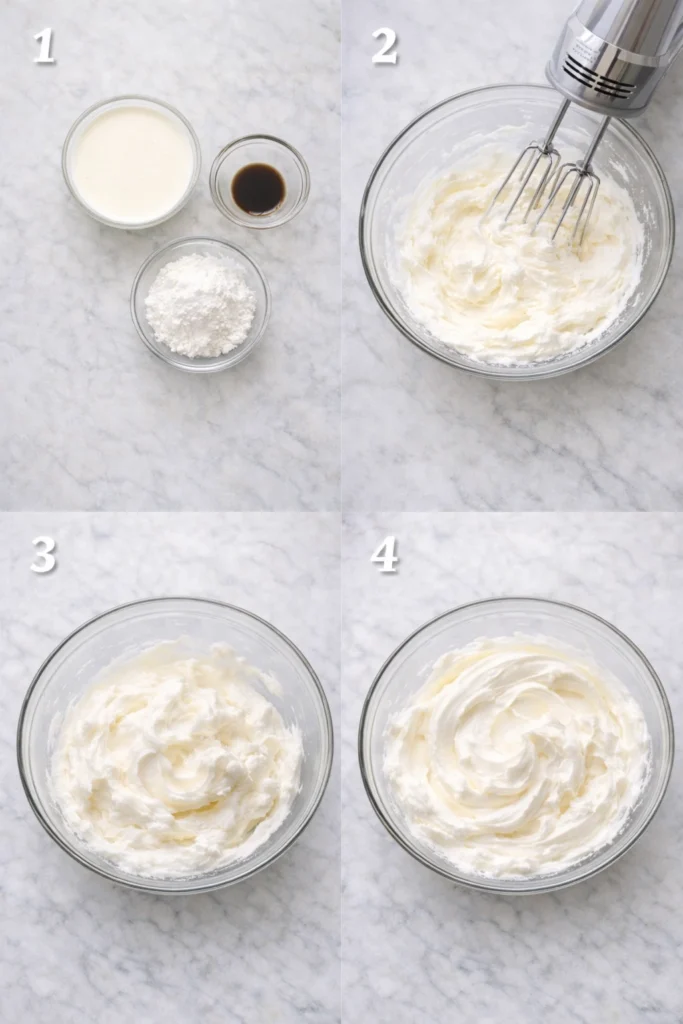
Step One Prepare Your Tools
Before you start your cream , place your mixing bowl and whisk in the refrigerator for several minutes. Cold tools help the cream whip faster and hold air better. This step seems small but it makes a noticeable difference in texture.
Step Two Measure Your Ingredients
Pour your cream or milk into the chilled bowl. Start with a moderate amount so you can control the process. Add a small portion of sugar and keep the rest nearby. If you plan to use butter or chocolate, prepare them now so they are ready when needed.
Step Three Begin Whipping Slowly
Start whipping your cream at a low speed. This allows air to enter gradually and prevents splashing. As the cream thickens slightly, you can increase speed. Watch closely as soft peaks begin to form.
Step Four Add Sugar Gradually
Sprinkle sugar into the cream slowly while continuing to whip. This helps the sugar dissolve fully and prevents the whipped cream recipe from becoming heavy or gritty. Taste as you go so you do not over sweeten.
Step Five Adjust Texture Carefully
As your whipped cream recipe thickens, slow down and check the texture often. You want peaks that hold their shape but still look smooth and glossy. Stop whipping as soon as you reach this stage to avoid overwhipping.
Step Six Add Optional Ingredients
If using butter, add a very small amount and whip briefly. If using chocolate, fold it in gently by hand. This preserves the air you created and keeps the cream light.
Texture Changes Affect Your Recipe
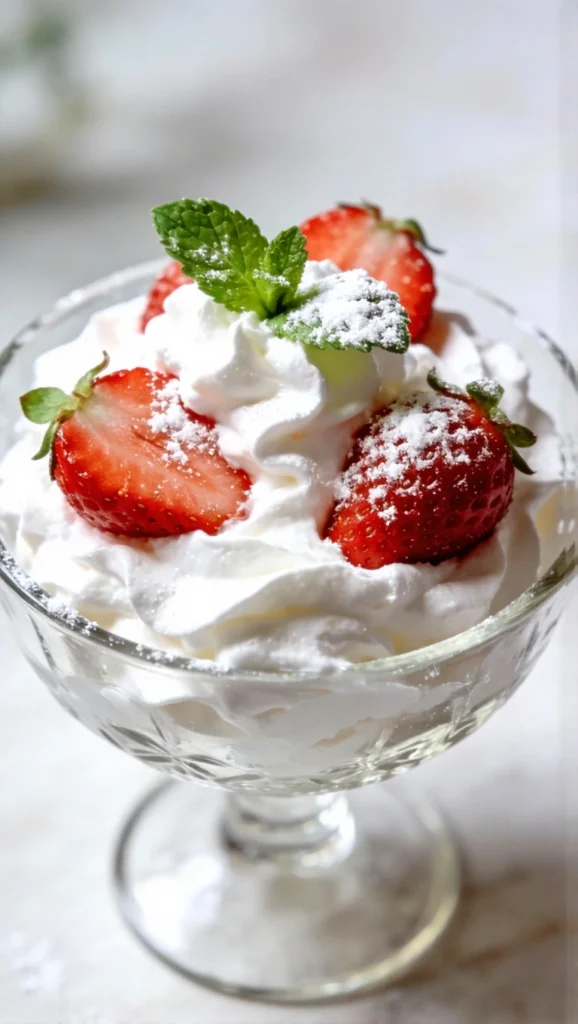
Texture is the heart of a good whipped recipe. Soft peaks create a light topping that flows gently over desserts. Firmer peaks work better for piping or layered desserts. Understanding this difference helps you stop whipping at the right moment.
If your cream looks grainy or stiff, it means it has gone too far. At this point, adding a spoon of cold cream and gently folding it in may help recover texture. Paying attention during the final moments makes all the difference.
Helpful Tips
Use Cold Ingredients
Cold cream whips faster and holds air better. Warm ingredients cause the cream to collapse or turn watery.
Avoid Overmixing
Overwhipping is the most common mistake. Stop as soon as the cream holds its shape. A whipped cream should look smooth, not clumpy.
Add Sugar Slowly
Dumping sugar in all at once can weigh down the cream. Gradual addition keeps the texture light and balanced.
Whip by Hand or Machine Carefully
Both methods work for a whipped cream recipe. Hand whipping gives more control. Machine whipping is faster but requires close attention.
Taste As You Go
Your cream recipe should suit your dessert. Adjust sweetness early instead of fixing it later.
Common Mistakes
One major mistake is starting with warm cream. This prevents proper whipping and leads to flat results. Another mistake is leaving the mixer unattended, which often leads to overwhipping.
Using coarse sugar without dissolving it properly can also ruin the texture. Skipping the chilling step for tools may seem harmless, but it affects volume and stability more than expected.
Understanding these issues helps you avoid frustration and ensures your cream turns out right every time.
Storage Instructions
Room Temperature Storage
A whipped cream should not be stored at room temperature for long. It softens quickly and loses structure. Serve immediately for best results.
Refrigerator Storage
Store your cream in an airtight container in the refrigerator. It stays fresh for up to twenty four hours. Before using again, gently stir to refresh texture.
Freezer Storage
Freezing a whipped cream is possible but changes texture slightly. Freeze in small portions and thaw slowly in the refrigerator. Use thawed cream as a topping rather than for piping.
Use This Recipe in Everyday Desserts
You can spoon this cream over cakes, pies, and puddings. It works beautifully with fresh fruit and warm drinks. You can also layer it into desserts like trifles or parfaits.
This whipped cream recipe adapts easily. Add cocoa for chocolate desserts, vanilla for classic flavor, or citrus zest for freshness. Once you know the base, creativity comes naturally.
This Recipe Belongs in Your Kitchen
This whipped cream recipe gives you control, confidence, and flexibility. You stop relying on packaged products and start creating something fresh with minimal effort. The process is simple, repeatable, and rewarding.
Once you make this whipped cream recipe a few times, it becomes second nature. You will know when to stop whipping, how to adjust sweetness, and how to adapt it for any dessert.