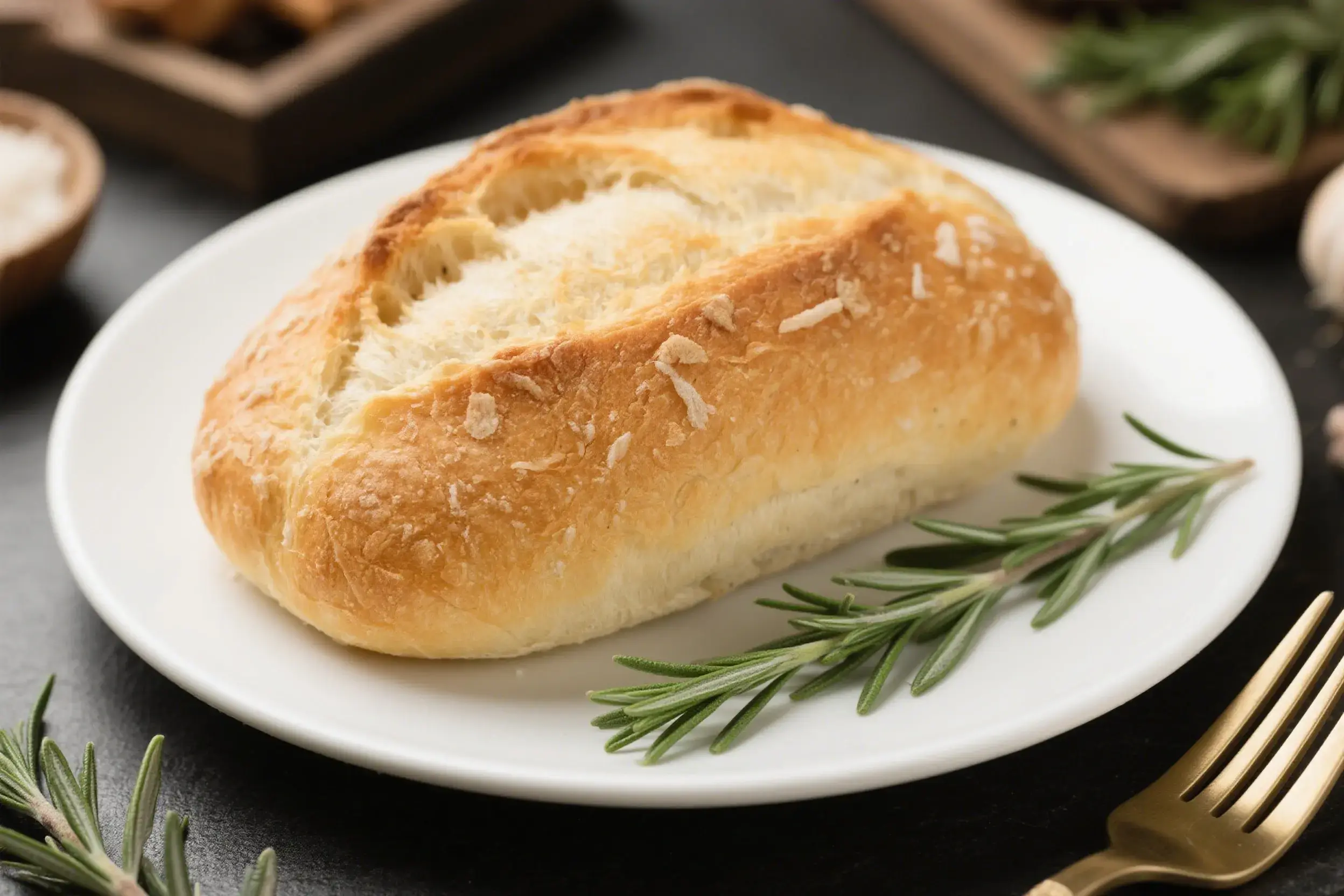
There is something about the smell of fresh rosemary hitting a warm oven that makes a house feel like a home. Whenever I pull this Rosemary Parmesan Bread out of the Dutch oven, my daughters are usually already waiting at the counter with butter knives in hand.
It’s a family favorite because it’s crusty on the outside, pillow-soft on the inside, and packed with that sharp, salty kick of real Parmesan. If you’ve been intimidated by yeast breads before, let this be the recipe that changes your mind. It’s a straightforward, reliable bake that I’ve tested in my own kitchen more times than I can count.
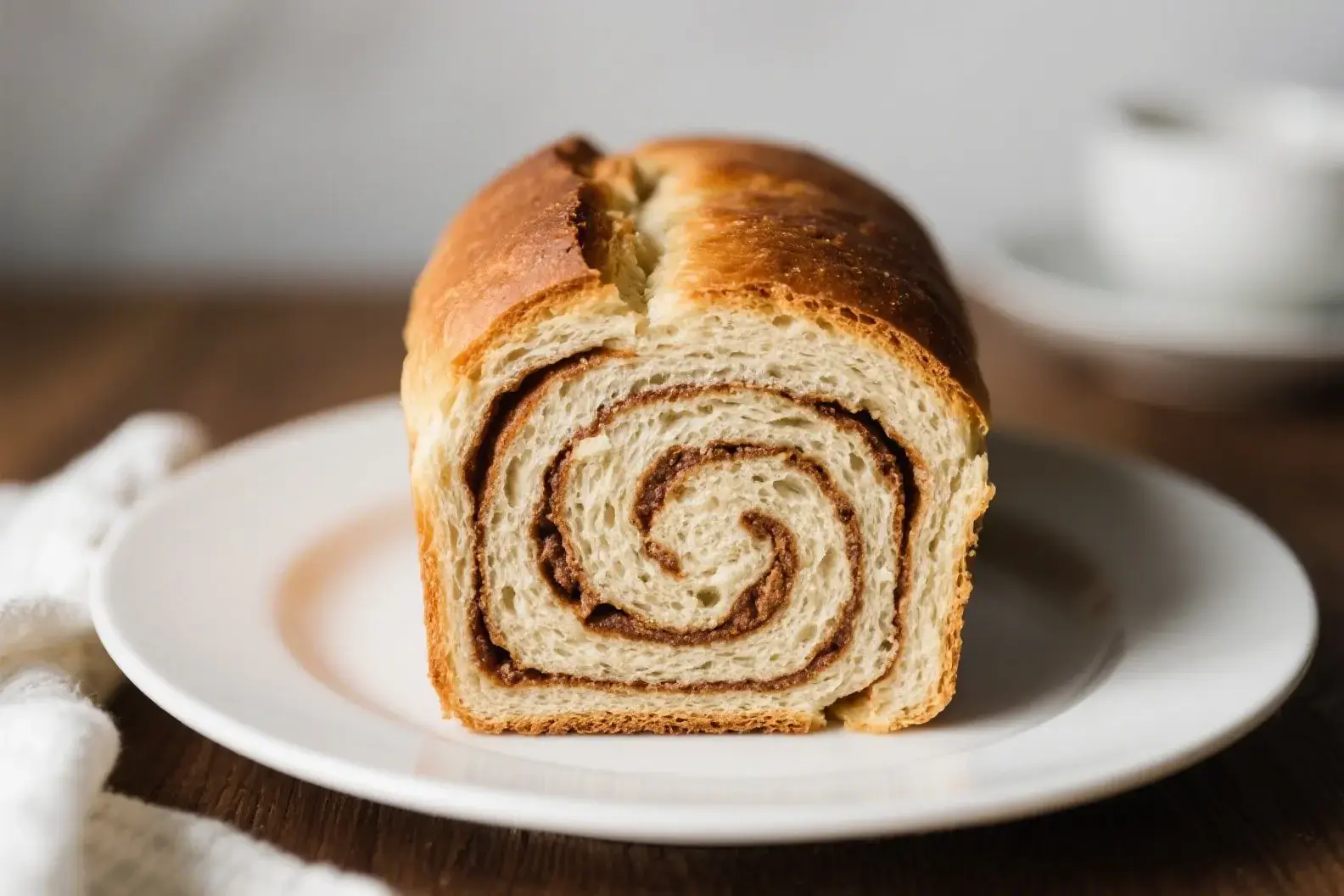
Once you’ve mastered this savory version, you’ll definitely want to try my Amish Cinnamon Swirl Bread for a sweeter treat!
Why You’ll Love This Savory Loaf
- The Crust: Baking this in a Dutch oven creates a bakery-style “shatter” when you bite into it.
- The Flavor: We aren’t just sprinkling rosemary on top; we’re folding it into the dough for flavor in every bite.
- The Versatility: It’s just as good toasted for a breakfast sandwich as it is dipped into a bowl of my favorite chili.
Ingredient Overview
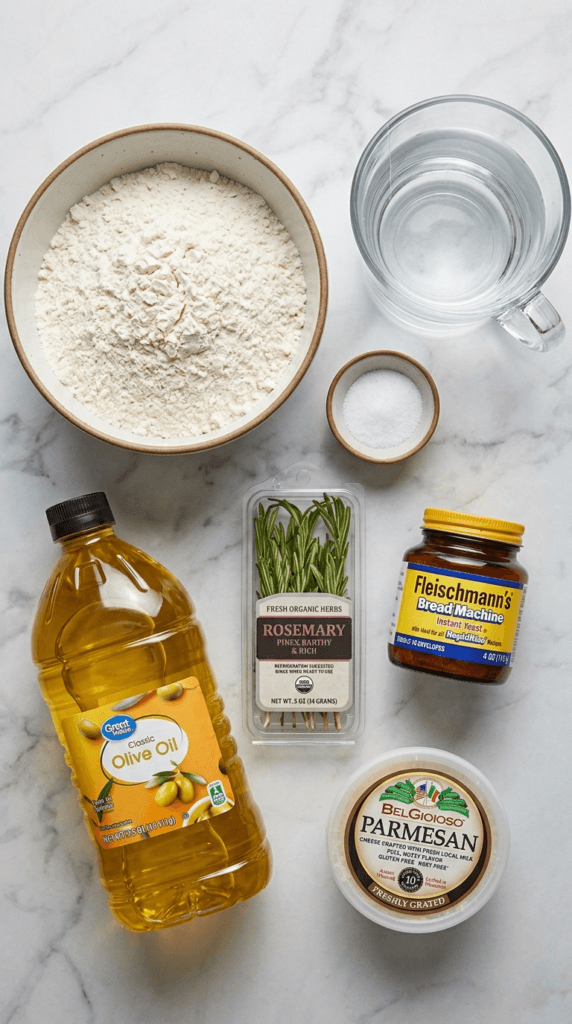
To get that perfect texture, the quality and temperature of your ingredients matter. Here is what you’ll need. The exact amounts are in the recipe card at the end of the post.
Flour
Flour gives bread its structure. It supports the rosemary and parmesan without overpowering their flavors. You can use all-purpose flour for the best results.
Warm Milk and Water
This is the “Goldilocks” step. Your liquid should feel like warm bath water (about 110°F). If it’s too hot, you’ll kill the yeast; too cold, and it won’t wake up.
Eggs
These add “lift” and a golden richness to the dough, helping it rise beautifully in the oven.
Butter
Melted butter gives the bread a silky mouthfeel that perfectly complements the sharp cheese.
Sugar
Just a touch to feed the yeast and help achieve that gorgeous golden-brown crust.
Yeast
The engine of the recipe! Fresh, active yeast creates those airy pockets we all love.
Fresh Rosemary
Skip the dried stuff if you can. Fresh rosemary has oils that perfume the entire dough as it bakes.
Parmesan Cheese
I always recommend grating your own cheese from a block. Pre-shredded cheese is coated in potato starch to prevent clumping, which can make your bread feel slightly waxy or greasy.
Salt
Essential for strengthening the gluten and making sure the other flavors don’t fall flat.
Step-by-Step Preparation
Mixing the Dough
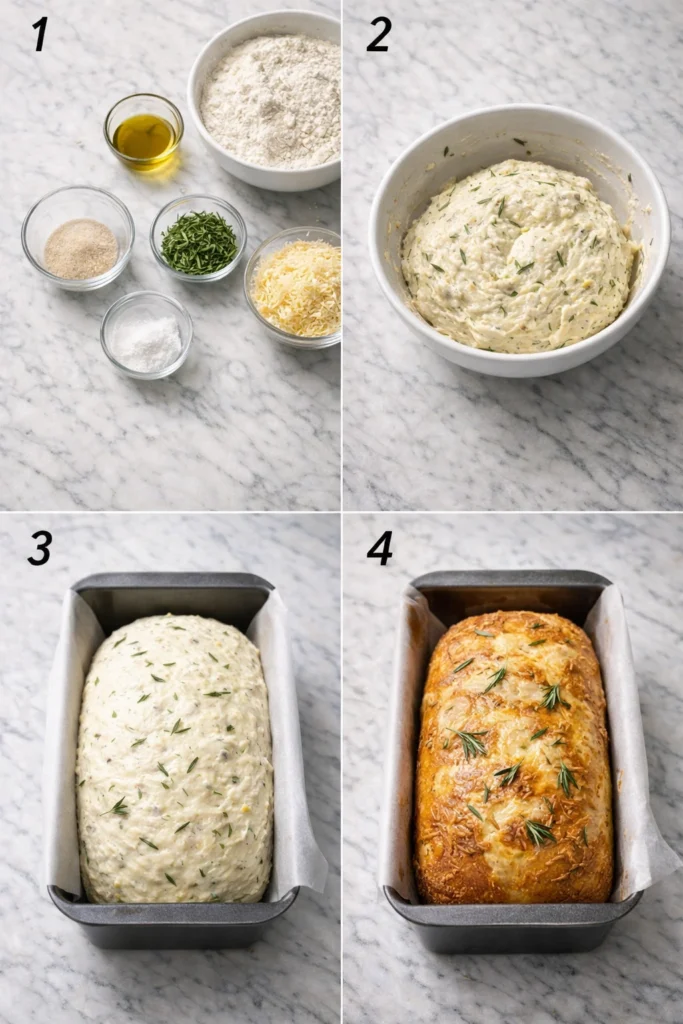
We start by gently warming the milk. You want it warm to the touch, but not hot, think of a baby’s bathwater. Stir in the sugar and yeast, then let it rest. After a few minutes, it should look foamy; that’s how you know the yeast is alive and ready to work.
Add your flour, eggs, butter, salt, and that fragrant chopped rosemary. As you mix, the dough will begin to pull away from the sides of the bowl.
First Rise for Flavor
Knead the dough until it feels smooth and elastic. This builds the gluten “web” that traps air. Place it in a greased bowl, cover it up, and let it rest in a warm spot. When it doubles in size, you’ve achieved the perfect first rise, which is where all that deep, yeasty flavor develops.
Shaping the Dough
Gently deflate the dough and fold in your grated Parmesan. I like to do this now so the cheese stays distributed rather than sinking to the bottom. Shape it into a round loaf or a traditional oval—whatever fits your vibe today!
Baking the Bread
After a final short rise, it’s time for the oven. You’ll bake it until the top is a deep golden brown and the loaf sounds hollow when you give the bottom a little “tap.”
Lara Tip: Let the loaf cool on a wire rack for at least 20 minutes before slicing. If you cut it too soon, the steam escapes, and the bread can turn gummy!
Helpful Tips
- Go Fresh: Fresh rosemary releases oils that dried herbs just can’t compete with.
- Fine Grate: Use a fine grater for the Parmesan so it weaves into the dough perfectly.
- Temperature Check: If your milk is too hot (above 120°F), it will kill the yeast. If it’s too cold, it won’t wake up. Aim for “lukewarm.”
- Patience is key: Don’t rush the rise. If your kitchen is cold, your dough might need an extra 30 minutes.
Storage Instructions
- Room Temperature: Wrap it in foil or keep it in an airtight container for up to two days.
- Refrigerator: You can refrigerate the loaf for up to five days, though I recommend toasting it once it’s been chilled to bring back that “fresh-baked” softness.
- Freezer: This bread freezes like a dream. Slice it first so you can grab one piece at a time. It stays fresh for up to two months.
Best Rosemary Parmesan Bread You’ll Ever Bake

Equipment
- Large mixing bowl
- Dough scraper
- Kitchen scale
- Dutch oven or baking stone
- Sharp knife or lame for scoring
Ingredients
- 4 cups all-purpose flour about 480 grams
- 1 packet active dry yeast 2 ¼ teaspoons
- 1 ½ teaspoons salt
- 1 ¾ cups warm water about 110°F / 43°C
- 2 tablespoons fresh rosemary finely chopped
- 1 cup freshly grated Parmesan cheese
- 2 tablespoons olive oil optional, for extra flavor and softness
- Extra flour for dusting
Instructions
- Prepare your dough by combining flour, yeast, salt, and water. Mix until dough forms, then knead gently until soft and slightly sticky.
- Let the dough rise in a warm place until doubled in size, about 1 to 2 hours.
- Fold in chopped fresh rosemary and freshly grated parmesan cheese gently to distribute evenly.
- Shape the dough into a round or oval loaf. Place seam side down on parchment paper and cover. Let it rise again for 30 to 45 minutes.
- Preheat the oven and Dutch oven or baking stone. Score the top of the dough for controlled expansion.
- Bake with the lid on for the first half, then remove the lid to brown the crust until deep golden and crisp.
- Remove the bread and cool for at least 20 minutes before slicing.
Notes
Frequently Asked Questions
Is rosemary parmesan bread difficult to make?
Not at all. You can make this bread even if you’re a beginner. Follow each step carefully, give the dough time to rise, and you’ll have bakery-quality results.
Can I substitute the Parmesan?
Yes! Pecorino Romano or even a sharp white cheddar works beautifully if you want a different flavor profile.
What’s the best substitute for Parmesan?
If you don’t have Parmesan, try Pecorino Romano or Asiago. Both give you a sharp, salty flavor that mimics Parmesan well.
How do I know the bread is baked through?
Tap the bottom of the loaf. It should sound hollow. You can also check that the internal temperature reaches 190 to 200 degrees Fahrenheit.
How do I make it gluten-free?
You’ll need a 1:1 gluten-free baking blend. Keep in mind that since there is no gluten to develop, your rise times and texture will be slightly different; it will be a bit denser but still delicious
Pingback: Soft And Sweet Amish Cinnamon Swirl Bread - 2025
Pingback: Tropical Hawaiian Banana Bread Recipe - 2026
Pingback: Delicious Sourdough Discard Bread Recipe - 2026